Affordable Sustainable Housing Projects Innovative Solutions for Eco-Friendly Living
Affordable sustainable housing projects combine cost-effective design with environmentally responsible construction, providing safe, comfortable, and eco-conscious living spaces for a broad demographic. As urbanization and climate change continue to challenge cities worldwide, these projects offer a practical solution that balances affordability, sustainability, and modern amenities.
This article explores affordable sustainable housing projects, detailing design principles, technology applications, benefits, real-world examples, and practical use cases.
Principles of Affordable Sustainable Housing
Affordable, sustainable housing emphasizes efficiency, low-cost construction, and environmental responsibility. These projects focus on reducing construction and operational costs while minimizing energy and water consumption. Strategies include using locally sourced or recycled materials, passive solar design, and energy-efficient appliances.
Another principle is community-centric planning. Sustainable housing projects often integrate shared spaces, green areas, and communal resources, encouraging social cohesion and collective resource management. Designing with both cost and sustainability in mind ensures these housing projects remain accessible without compromising on quality or environmental standards.
Integrating Technology in Sustainable Housing
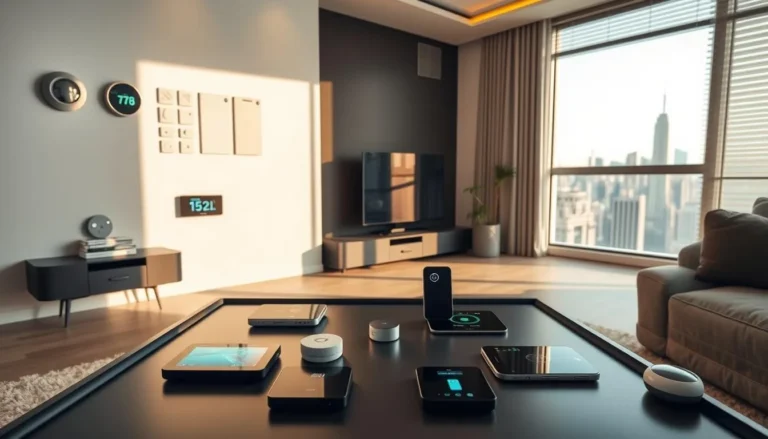
Technology plays a critical role in affordable, sustainable housing. Smart energy systems monitor and optimize electricity, water, and heating, helping residents save on utility costs. Solar panels, rainwater harvesting, and energy-efficient lighting are frequently integrated to reduce dependency on external energy sources and minimize operational costs.
Automation tools and sensors further improve efficiency. For instance, motion-activated lighting, programmable thermostats, and smart water management systems reduce waste and enhance comfort. The combination of technology and sustainable design enables residents to live affordably while maintaining an eco-conscious lifestyle.
Real-World Examples of Affordable Sustainable Housing Projects
1. Baan Mankong Housing Program, Thailand
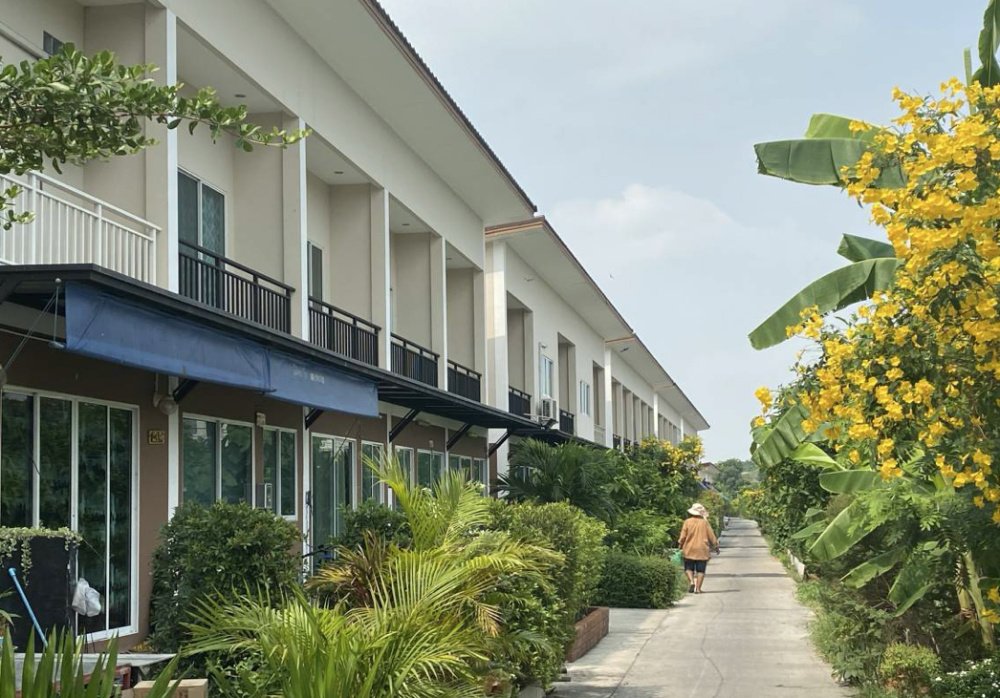
The Baan Mankong program supports low-income communities with housing projects that utilize local materials, efficient layouts, and green infrastructure. These developments often feature shared green spaces, rainwater harvesting systems, and energy-efficient designs.
This project demonstrates how government-backed initiatives can create sustainable, affordable housing solutions that foster community engagement and environmental responsibility.
2. Quinta Monroy Housing Project, Chile
Quinta Monroy in Iquique, Chile, offers modular homes designed for expansion by residents. The initial affordable units use durable, low-cost materials while integrating sustainable features such as natural ventilation and sunlight optimization.
The project showcases how phased construction and adaptable design can provide cost-effective, sustainable housing that grows with the community’s needs.
3. Incremental Housing in Medellín, Colombia
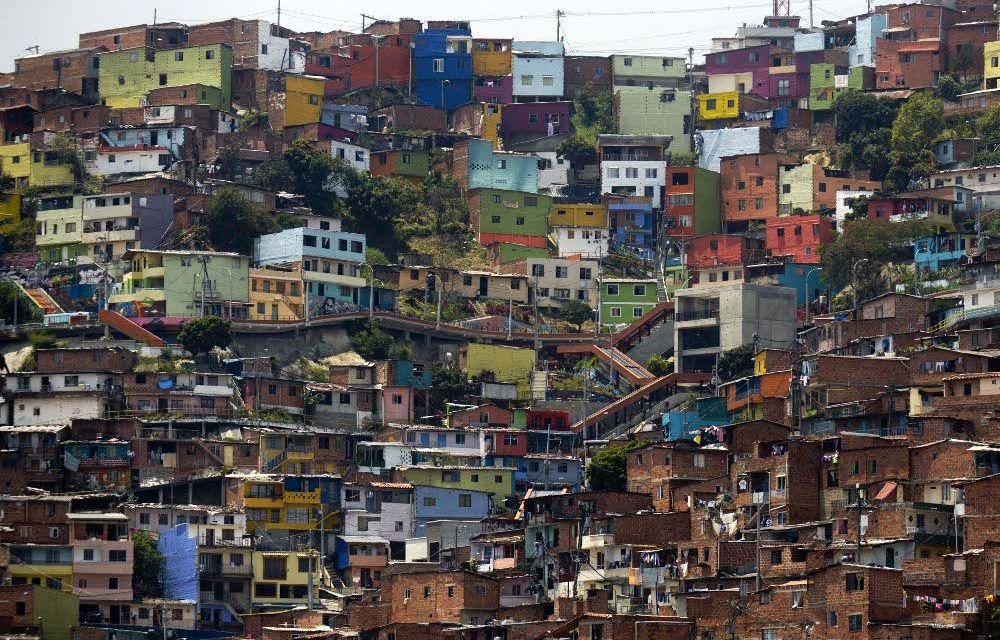
Medellín has implemented incremental housing strategies that allow low-income families to expand their homes gradually. These projects incorporate solar water heaters, energy-efficient appliances, and recycled materials to maintain sustainability.
This approach illustrates how affordability and sustainability can coexist, empowering residents to personalize and improve their homes over time without sacrificing eco-friendly principles.
4. Eco-Housing Project, South Africa
South African eco-housing initiatives focus on affordable, environmentally friendly materials, passive cooling, and solar power integration. These projects aim to provide low-cost housing while reducing energy consumption and carbon footprint.
They demonstrate the feasibility of combining cost-efficiency with sustainable construction methods in developing regions, promoting both environmental stewardship and financial accessibility.
5. Aranya Housing Project, India
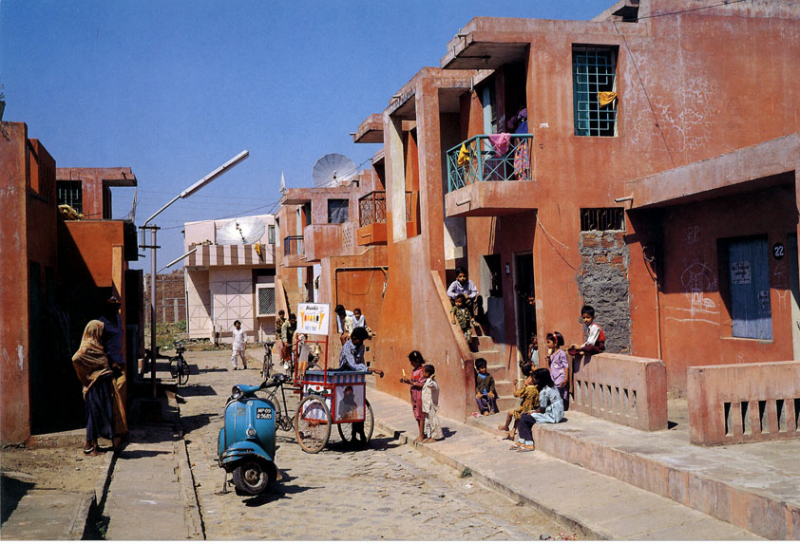
Aranya Housing in Indore, India, provides low-cost homes designed with natural ventilation, efficient layouts, and water-saving systems. Community spaces, green areas, and energy-efficient features create a sustainable and socially inclusive environment.
This example highlights how thoughtful planning, community integration, and sustainable technology can transform low-income housing into eco-friendly, livable spaces.
Benefits of Affordable Sustainable Housing
Environmental Sustainability
These projects reduce energy consumption, carbon emissions, and water waste. Using renewable energy, efficient materials, and green infrastructure contributes to global environmental goals.
Cost Efficiency for Residents
Low-energy consumption, water-saving systems, and durable materials lower operational and maintenance costs. Residents benefit from affordable housing that remains economical over time.
Improved Health and Well-Being
Sustainable homes incorporate natural ventilation, non-toxic materials, and access to green spaces. This promotes better physical and mental health for residents.
Community and Social Advantages
Shared spaces and communal amenities encourage social interaction and collaboration, fostering resilient and supportive communities.
Adaptable and Scalable Solutions
Many affordable, le sustainable housing projects use modular designs and incremental expansion strategies. This flexibility allows homes to adapt to residents’ evolving needs while maintaining sustainability.
Practical Use Cases Affordable Sustainable Housing Projects
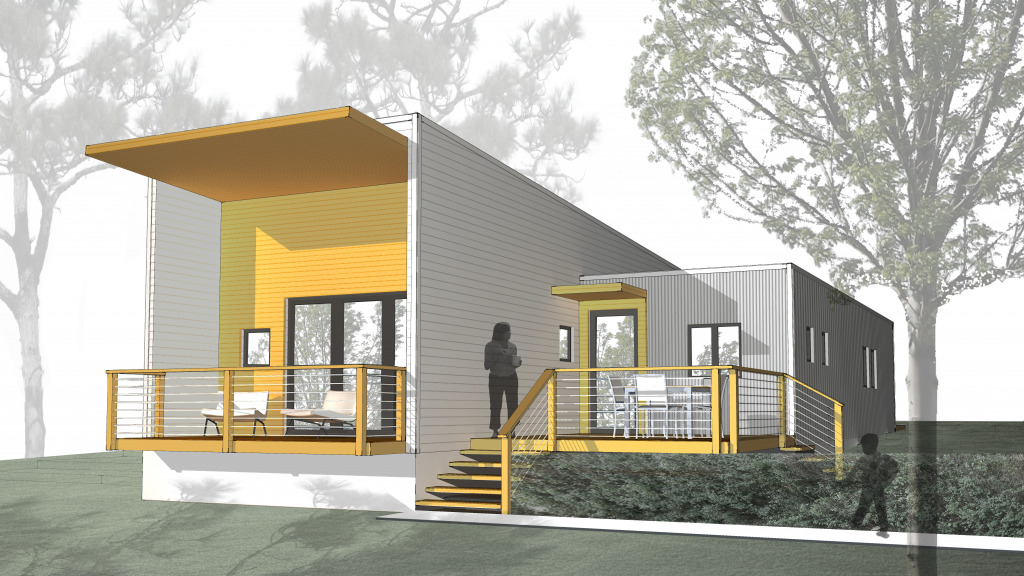
Low-Income Urban Communities
Affordable, sustainable housing provides safe, cost-effective residences with reduced utility costs and environmental impact, directly improving quality of life.
Eco-Conscious Families
Families seeking sustainable lifestyles benefit from energy-efficient homes, green spaces, and smart water and energy management systems.
Government and NGO Housing Programs
Governments and non-profits can implement affordable, sustainable housing to address urban housing shortages while promoting environmental responsibility.
Temporary or Transitional Housing
Eco-friendly modular housing units are suitable for temporary or transitional accommodation, offering sustainability, efficiency, and rapid deployment.
Community Development Projects
Sustainable housing fosters community engagement through shared spaces, energy management, and eco-friendly infrastructure, strengthening social cohesion and environmental awareness.
Frequently Asked Questions
Q1. What defines an affordable, sustainable housing project?
These projects provide cost-effective housing while incorporating environmentally responsible design, energy efficiency, and sustainable materials.
Q2. How do affordable,e sustainable homes save residents money?
They reduce utility bills through energy-efficient appliances, renewable energy integration, water-saving systems, and durable construction that lowers maintenance costs.
Q3. Are sustainable housing solutions adaptable to different regions?
Yes. Design elements such as passive solar orientation, local materials, modular layouts, and renewable energy integration can be tailored to different climates and cultural contexts.