Commercial and Residential Property A Comprehensive Guide to Understanding and Investing in Modern Real Estate
The real estate industry is built upon two fundamental property types-commercial and residential. While both serve as cornerstones of modern living and business infrastructure, they differ in purpose, design, and financial dynamics. Understanding how each property type works, its benefits, and the role of technology in shaping its future is essential for investors, homeowners, and real estate professionals.
This article explores the definitions, differences, advantages, and use cases of commercial and residential properties, while offering real-world examples of developments that highlight their importance in the evolving property landscape.
What Is a Commercial Property?
Definition and Purpose
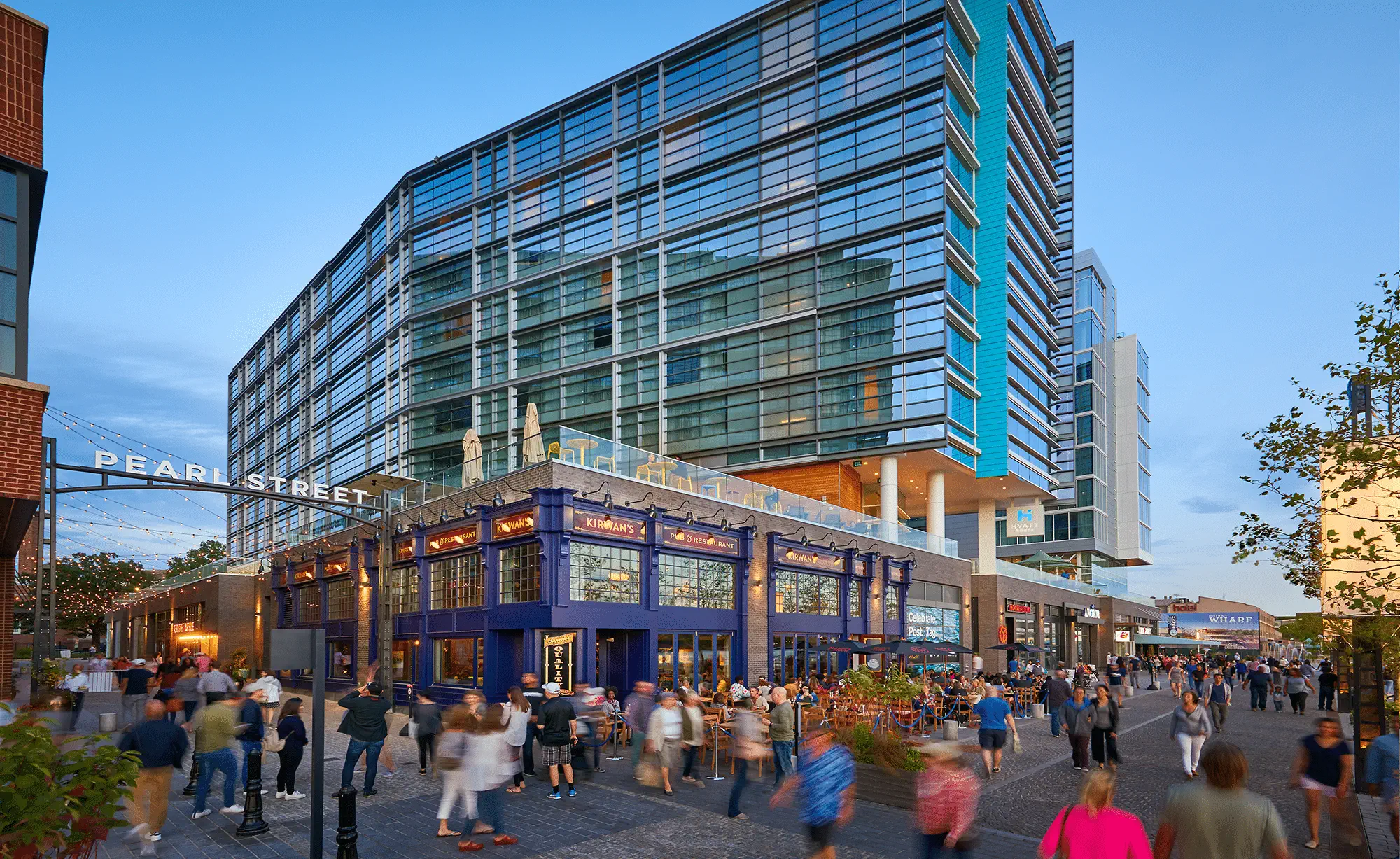
Commercial property refers to real estate used primarily for business and income-generating purposes. These include office buildings, retail centers, industrial warehouses, hotels, and multifamily apartment complexes. The main objective is to create spaces where companies can operate, sell products, or offer services.
Commercial real estate is often leased or sold to organizations that use these spaces for their operations. The success of commercial properties depends on factors such as location, tenant quality, accessibility, and local market demand.
Types of Commercial Properties
There are several major types of commercial real estate, each catering to different business needs:
-
Office Buildings: Ranging from skyscrapers in business districts to suburban office parks.
-
Retail Spaces: Malls, standalone shops, and strip centers designed for customer traffic.
-
Industrial Properties: Warehouses and manufacturing facilities for production and logistics.
-
Hospitality Properties: Hotels and resorts that generate revenue through guest stays and services.
Each type of commercial property operates on a different leasing model and offers unique investment opportunities.
What Is a Residential Property?
Definition and Function
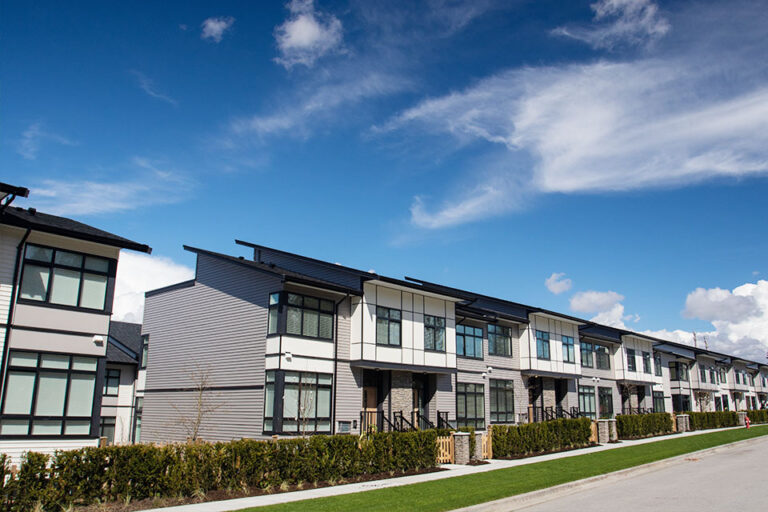
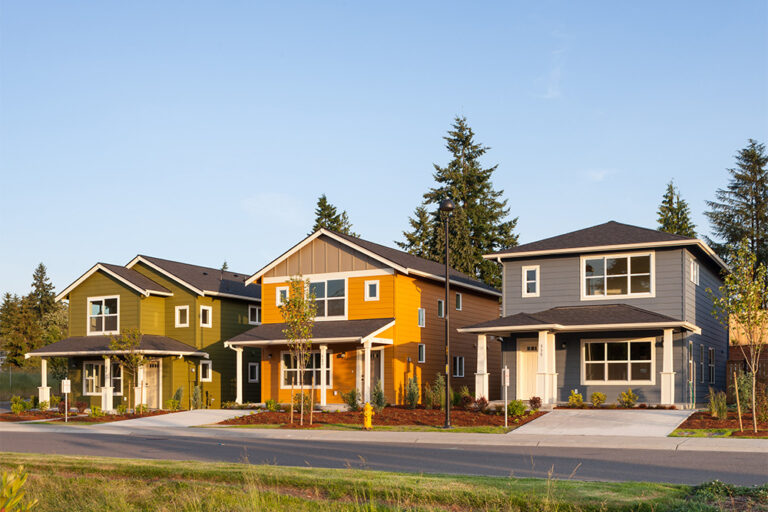
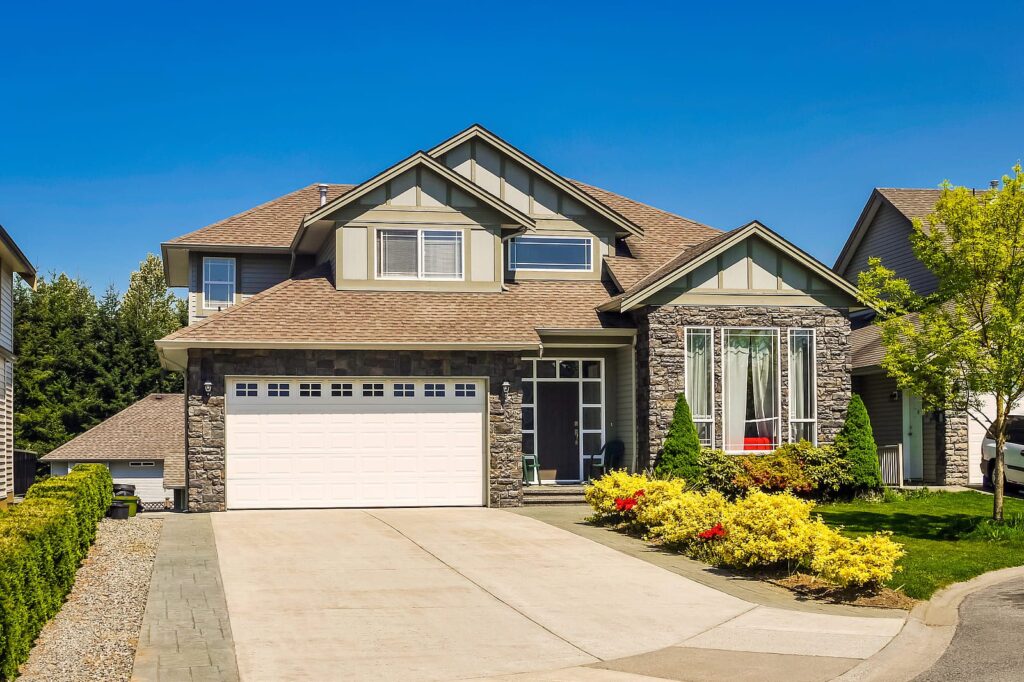
Residential property refers to real estate developed for people to live in rather than to conduct business. This includes single-family homes, condominiums, townhouses, and apartment buildings.
Residential properties provide housing solutions for individuals and families. They may be owner-occupied or leased out to tenants. The design and structure of residential developments are focused on comfort, community, and livability.
Key Features of Residential Properties
Residential real estate emphasizes privacy, safety, and accessibility. Common characteristics include neighborhood planning, proximity to schools, healthcare, and recreational spaces. Properties are typically smaller in scale than commercial spaces and are regulated under different zoning laws.
Homeowners often benefit from long-term appreciation, emotional security, and the ability to modify their living space according to their needs.
Major Differences Between Commercial and Residential Property
Purpose and Usage
The fundamental difference lies in the intended use. Commercial properties are designed to facilitate business operations, while residential properties focus on housing and personal comfort.
For example, a commercial building may host hundreds of employees, while a residential home supports daily family life. This distinction influences how properties are designed, maintained, and valued in the market.
Ownership and Investment Value
Commercial investments usually provide higher returns but come with greater risks and management responsibilities. They often require larger capital and involve complex lease structures.
Residential properties, on the other hand, are more accessible to individual investors. They provide consistent rental income and long-term appreciation, making them a reliable entry point for first-time real estate investors.
The Role of Technology in Commercial and Residential Property
Smart Building Technologies
Technology has become a driving force in both commercial and residential property development. Smart building systems integrate automation, data analytics, and energy-efficient technologies to improve operations and living standards.
In commercial spaces, building management systems (BMS) control lighting, HVAC, and security systems automatically. For residential homes, smart devices like thermostats, voice-controlled lighting, and security cameras enhance convenience and energy savings.
Digital Transformation in Real Estate
The digitalization of property management has revolutionized both sectors. Platforms for virtual tours, online leasing, and AI-driven property valuation make it easier to manage assets and attract tenants.
Technology bridges the gap between efficiency and user experienc-creating safer, smarter, and more sustainable environments for residents and businesses alike.
Real-World Examples of Commercial and Residential Properties
1. Hudson Yards, New York City (Commercial & Mixed-Use Development)
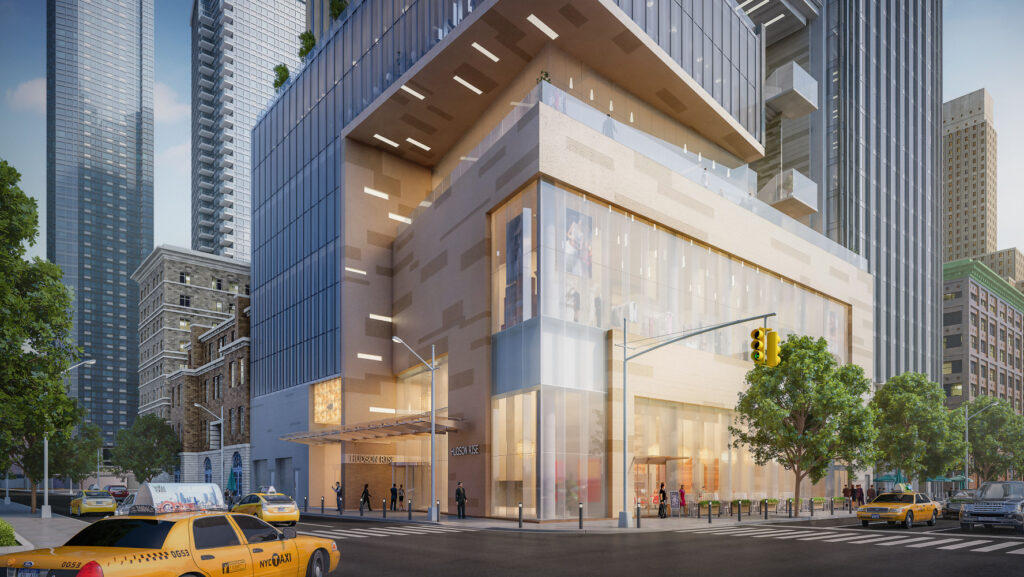
Hudson Yards represents one of the most ambitious real estate projects in the United States. This mixed-use development combines office towers, luxury apartments, retail spaces, and cultural venues.
The project exemplifies how commercial and residential properties can coexist to create urban ecosystems. Offices attract global corporations, while high-end residences cater to professionals seeking city living.
2. Canary Wharf, London (Commercial District)
Canary Wharf is one of the most prominent business districts in Europe. It houses global financial institutions, tech firms, and retail centers.
This development demonstrates the scale and functionality of commercial real estate. Efficient transport connections, cutting-edge architecture, and digital infrastructure make it an economic powerhouse and a model for future business hubs.
3. Emaar’s Downtown Dubai (Residential and Commercial Integration)
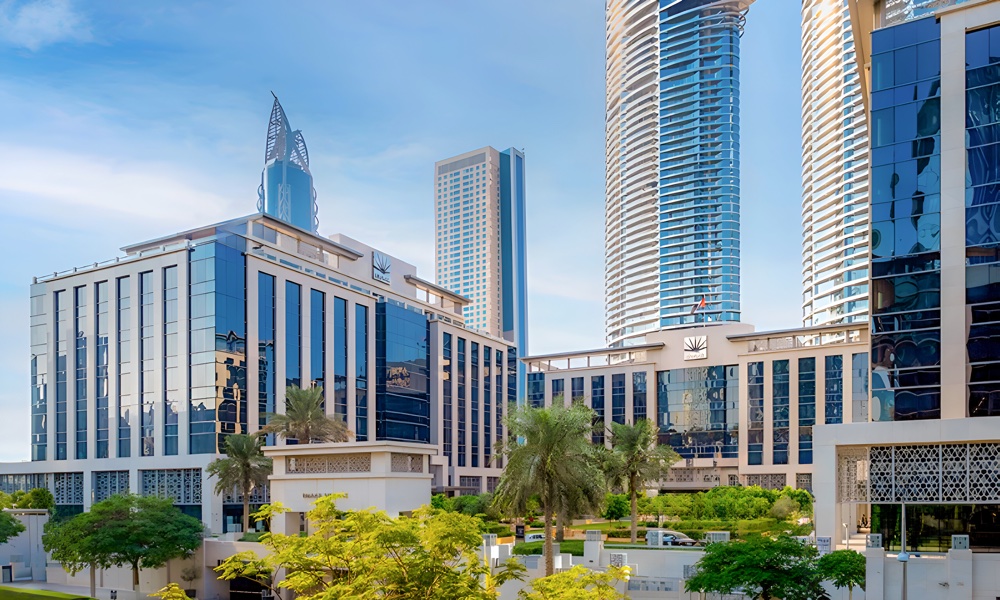
Downtown Dubai, developed by Emaar Properties, is an iconic blend of commercial and residential innovation. It features residential towers, luxury hotels, and the world-famous Burj Khalifa.
This project highlights how the boundaries between residential and commercial real estate can blur, creating integrated lifestyle destinations. The area provides work, leisure, and living spaces within a single environment.
4. Brookfield Place, Toronto (Commercial Excellence)
Brookfield Place is a landmark office complex in Toronto, featuring sustainable architecture and advanced energy management systems. It demonstrates how commercial properties are embracing technology to reduce emissions and enhance tenant comfort.
The development’s smart systems track lighting, temperature, and occupancy, ensuring optimal energy efficiency and lower operational costs.
5. The Wharf, Washington D.C. (Mixed-Use Urban Waterfront)
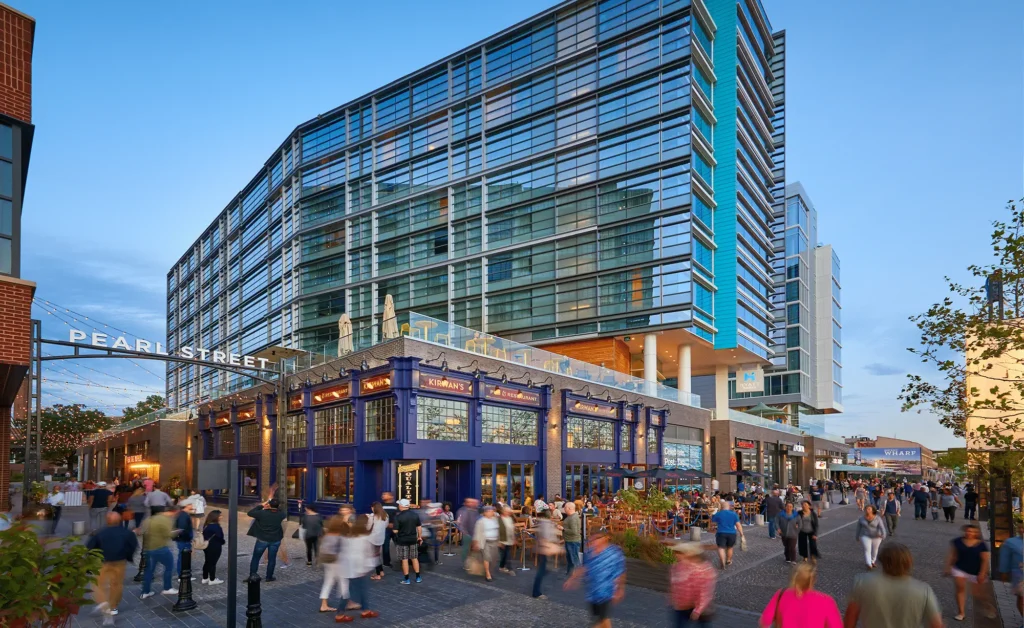
The Wharf is a dynamic waterfront development that integrates residential units, office spaces, entertainment venues, and restaurants.
It showcases modern urban planning principles, emphasizing walkability, sustainability, and community engagement. The Wharf serves as a prime example of how commercial and residential spaces can coexist harmoniously in urban environments.
Benefits of Investing in Commercial and Residential Property
Stability and Long-Term Growth
Both commercial and residential real estate offer long-term value appreciation. While markets fluctuate, well-located properties tend to increase in value over time, providing stability compared to volatile investment options like stocks.
Commercial assets yield higher returns due to long-term lease agreements with corporations, while residential properties offer consistent rental income and easier liquidity.
Diversification of Investment Portfolio
Investing across both property types helps reduce financial risk. A diversified portfolio balances the cyclical nature of real estate markets-residential demand often remains steady during economic downturns, while commercial growth surges during expansions.
Technological and Sustainability Advantages
Modern developments use eco-friendly materials, smart energy systems, and automation to minimize costs and environmental impact. This approach aligns with global sustainability goals and increases property desirability among eco-conscious tenants.
Use Cases: How These Properties Impact Real Life
Supporting Urban Growth and Employment
Commercial properties provide the infrastructure businesses need to operate, contributing to job creation and local economies. Office towers, retail spaces, and industrial parks drive economic activity and attract investment.
Enhancing Quality of Life
Residential properties are at the heart of community development. They provide safe and comfortable environments for families and individuals, shaping the social fabric of cities and towns.
Creating Sustainable Cities
The integration of smart technologies in both property types promotes sustainability. Energy-efficient buildings reduce emissions, improve urban air quality, and support government initiatives for greener cities.
Encouraging Mixed-Use Development
Combining residential and commercial elements within single developments creates vibrant, walkable communities. These mixed-use areas reduce commute times, increase social interaction, and enhance overall livability.
Why Understanding Both Property Types Matters
For investors, developers, and policymakers, understanding the dynamics between commercial and residential property is crucial. The two sectors are interdependent-commercial growth fuels employment and demand for housing, while residential expansion supports local commerce and infrastructure.
Mastering the balance between both allows for smarter urban planning, sustainable investment, and a more resilient real estate market.
Frequently Asked Questions
Q1. What is the main difference between commercial and residential property?
The primary difference lies in their purpose-commercial properties are used for business operations and income generation, while residential properties are designed for living purposes.
Q2. Can a property be both commercial and residential?
Yes. Mixed-use developments combine both elements, such as buildings with ground-floor retail spaces and upper-level apartments. These projects are increasingly popular in modern urban planning.
Q3. Which type of property is better for investment?
It depends on the investor’s goals and risk tolerance. Commercial properties typically yield higher returns but require more management, while residential properties offer lower risk and steady long-term income.