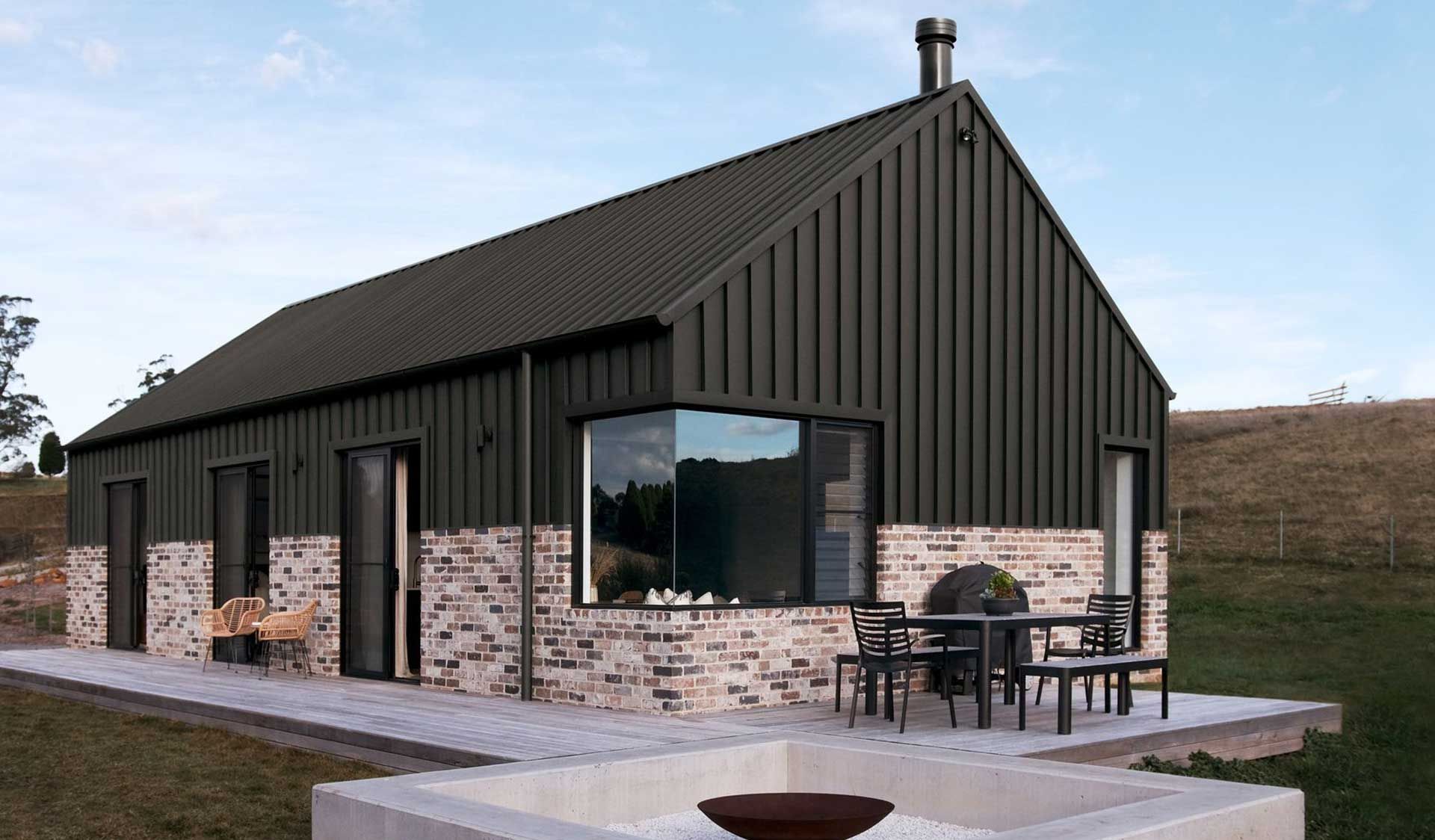
Solar-Powered Houses The Future of Sustainable Living in 2025
As the world faces mounting environmental challenges and escalating energy costs, solar-powered houses have emerged as a defining solution for sustainable living. In 2025, more homeowners, architects, and developers are investing in homes that rely primarily or entirely on renewable solar energy. These houses not only reduce carbon footprints but also empower homeowners to achieve long-term energy independence.
This comprehensive guide explores how solar-powered homes work, the technologies driving them, their benefits, real-world examples, and practical use cases showing how they are reshaping modern residential architecture.
Understanding Solar-Powered Houses
What Are Solar-Powered Houses?
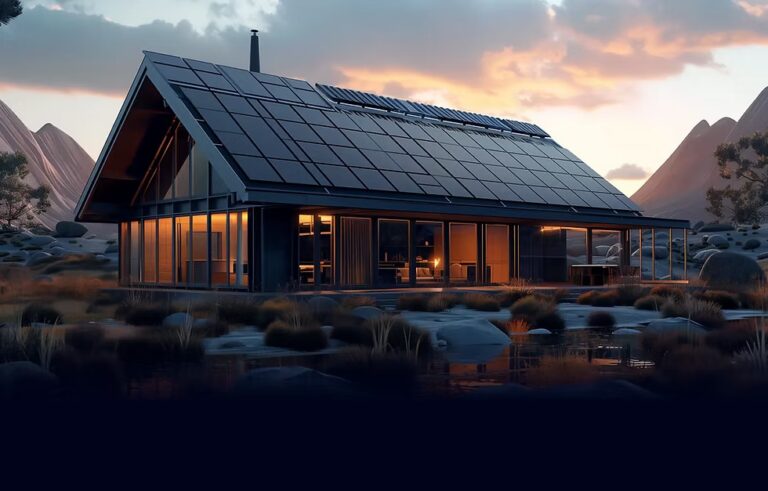
Solar-powered houses are residential structures designed to generate and utilize electricity from solar energy. These homes integrate photovoltaic (PV) panels, solar batteries, inverters, and energy management systems to convert sunlight into usable power.
In most cases, these homes combine solar energy with high-efficiency appliances and insulation to minimize energy waste. Some operate completely off-grid, while others remain grid-tied-selling excess power back to utility providers. This model of self-sufficiency is increasingly becoming a blueprint for eco-conscious homeowners around the world.
How Solar Energy Is Harnessed
The process begins when solar panels installed on rooftops or nearby structures capture sunlight and convert it into direct current (DC) electricity. Inverters then transform it into alternating current (AC), which powers household devices. Surplus energy can be stored in batteries or redirected to the grid.
Thanks to advances in battery storage, AI-driven energy optimization, and smart home integration, solar-powered houses in 2025 are more efficient and affordable than ever.
The Technology Behind Solar-Powered Houses
Photovoltaic (PV) Panels
At the heart of every solar-powered home are PV panels made from materials such as monocrystalline silicon. The latest generation of panels achieves conversion efficiencies exceeding 25%, a significant leap from older technologies.
These panels are also more durable and aesthetically versatile-available as traditional arrays, building-integrated photovoltaics (BIPV), or even transparent panels that double as windows.
Energy Storage Systems
Batteries are critical in ensuring power reliability. Modern systems, such as lithium-iron-phosphate (LiFePO₄) batteries, offer higher energy density and longer lifespans. They allow homeowners to store energy during the day and use it at night or during power outages.
With modular battery banks, houses can scale storage capacity depending on daily consumption patterns.
Smart Inverters and Energy Management
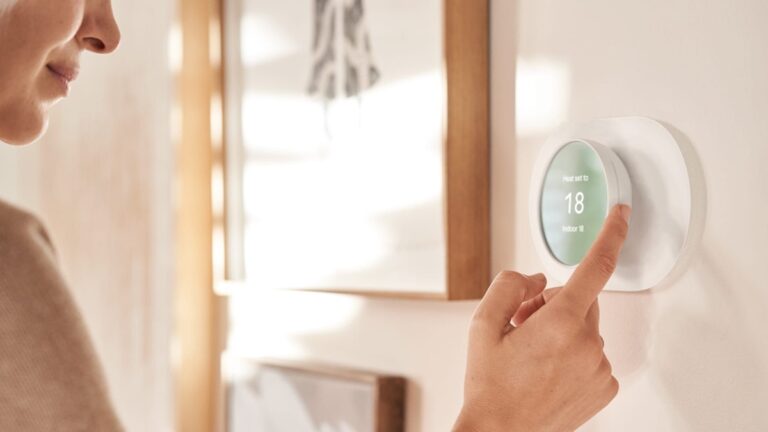
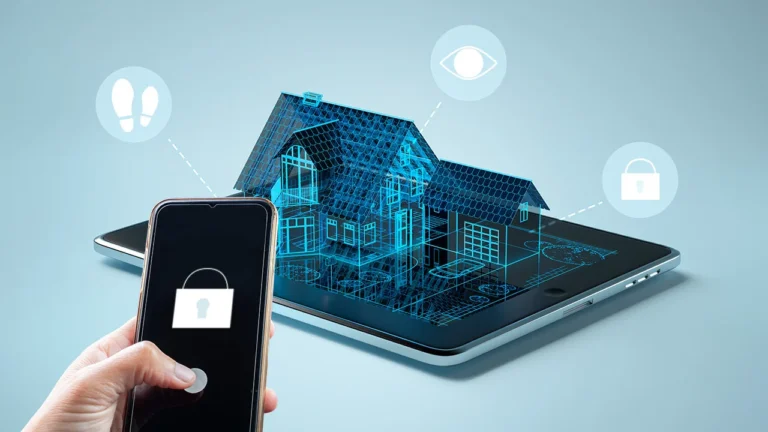
Smart inverters convert DC to AC while dynamically managing energy flow between panels, batteries, and household circuits. They integrate with smart meters and home automation systems, allowing users to monitor consumption via apps.
AI-powered energy managers further optimize when to store, consume, or sell power-ensuring cost-efficiency and maximum sustainability.
Real-World Examples of Solar-Powered Houses
1. Tesla Solar Roof + Powerwall System (United States)
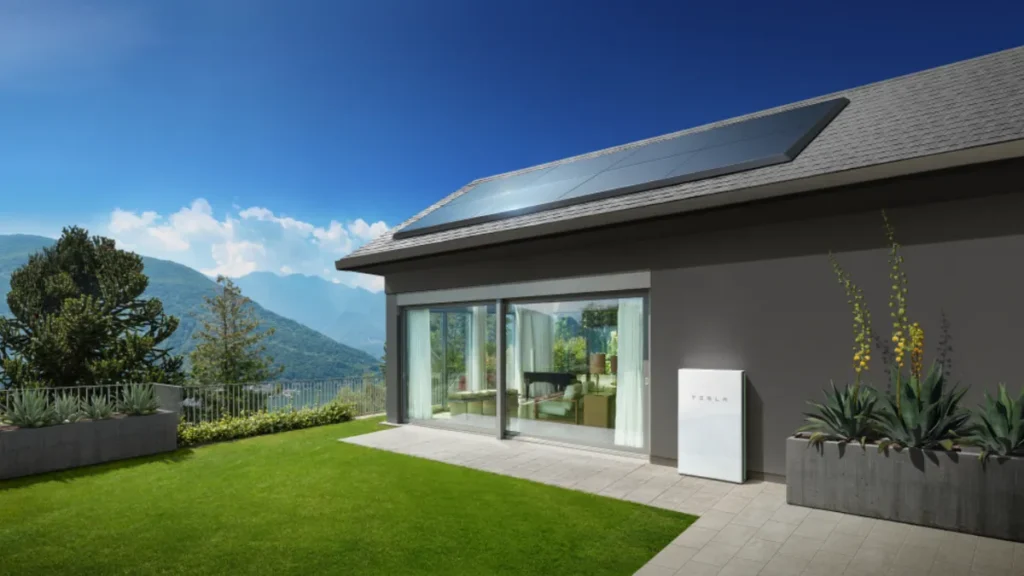
Tesla’s Solar Roof combines photovoltaic tiles with a sleek architectural design. Each tile generates electricity, replacing traditional shingles. When paired with Powerwall, a home battery system, it enables near-complete energy independence.
Homeowners can monitor power generation, consumption, and storage through the Tesla app. This integration makes it ideal for smart home enthusiasts who value design, sustainability, and control.
2. SolHaus Project (Australia)
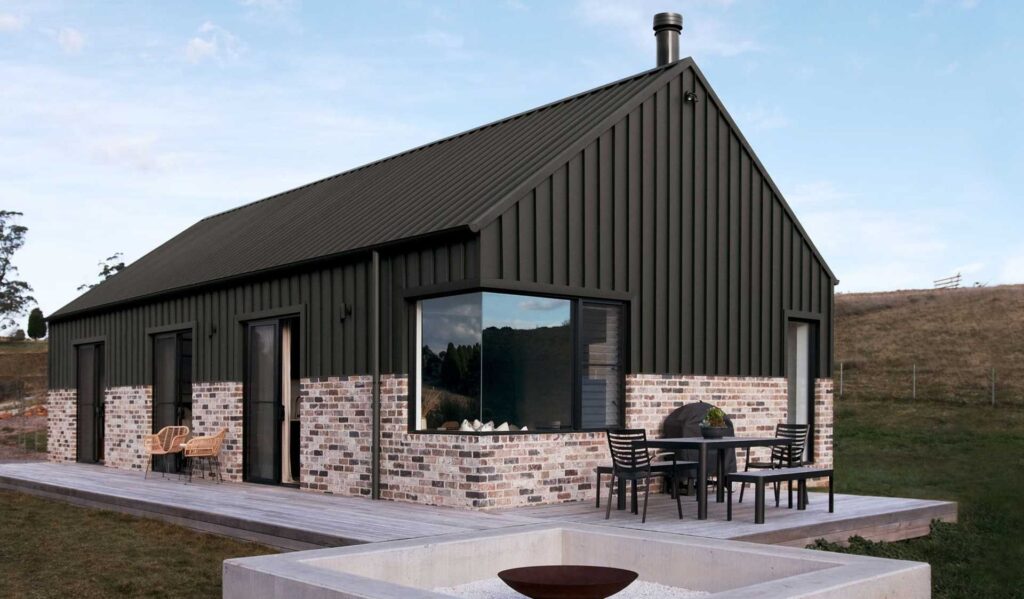
Located in Victoria, the SolHaus Project showcases an architecturally stunning off-grid solar-powered home. It features rooftop solar panels, battery storage, and high-efficiency insulation that reduces heating and cooling demand.
The house produces more energy than it consumes, qualifying it as a Net-Zero Energy Building (NZEB). It also includes water recycling and passive ventilation systems, proving that modern design and sustainability can coexist seamlessly.
3. Haus.me Autonomous Smart Home (Europe/USA)
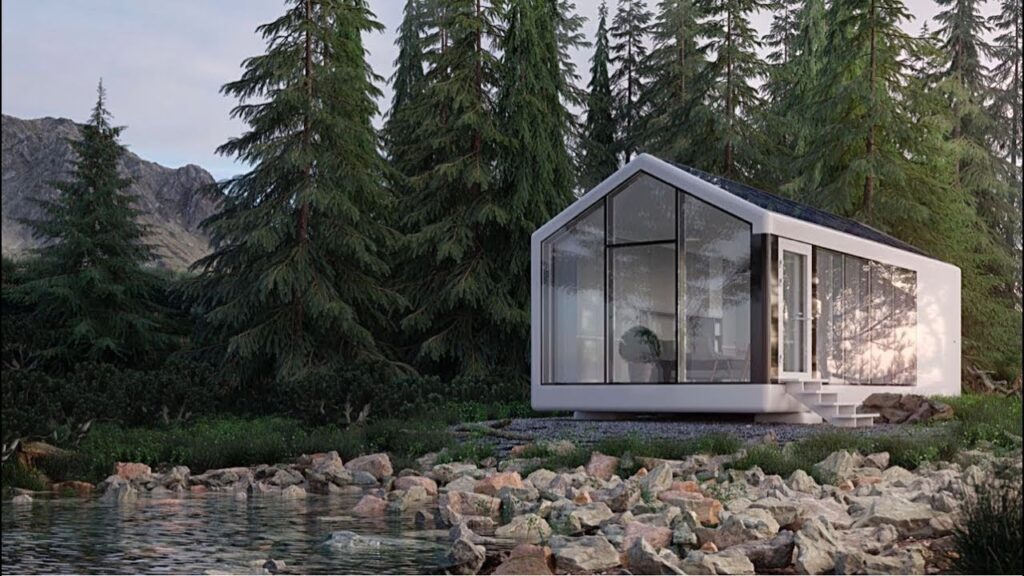
Haus.me offers prefabricated, self-sustaining smart homes that run entirely on solar energy. Built using 3D-printed materials, these homes are equipped with energy-efficient walls, HEPA air filtration, and AI energy management.
Their modular structure makes them perfect for remote areas where grid access is limited. These units can operate autonomously for months, showcasing how solar technology supports mobile, off-grid lifestyles.
4. EcoCapsule (Slovakia)
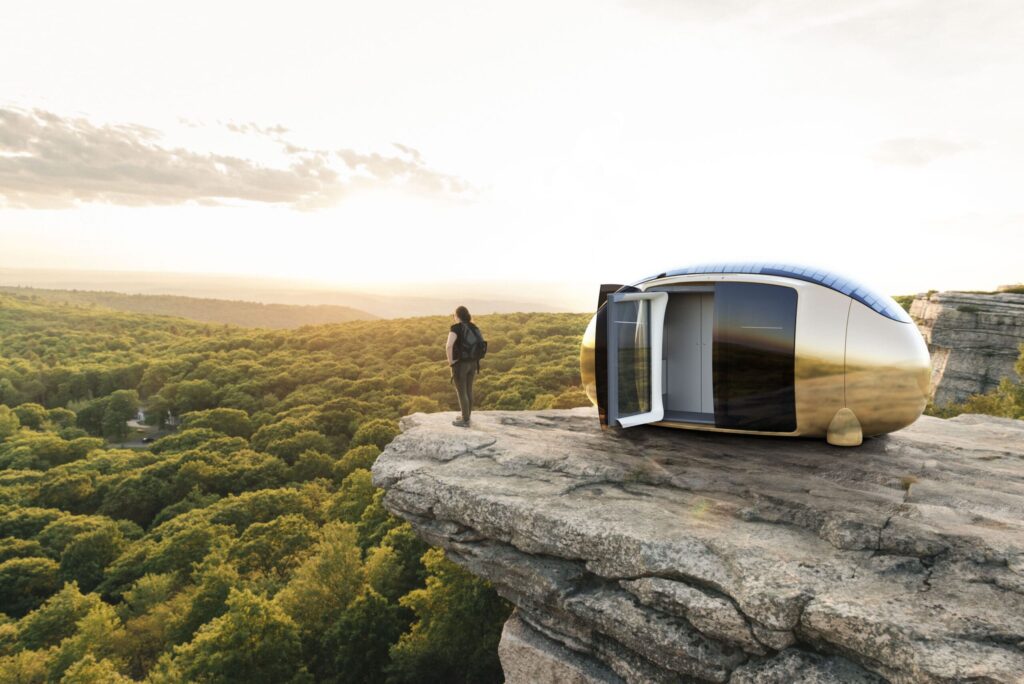
The EcoCapsule is a compact, egg-shaped dwelling powered by solar and wind energy. Designed for eco-travelers and researchers, it can sustain two people for extended periods using renewable energy and rainwater collection.
This concept demonstrates how small, self-contained living units can benefit from solar energy even in mobile or remote applications, broadening the scope of sustainable architecture.
5. Babcock Ranch Solar Community (Florida, USA)
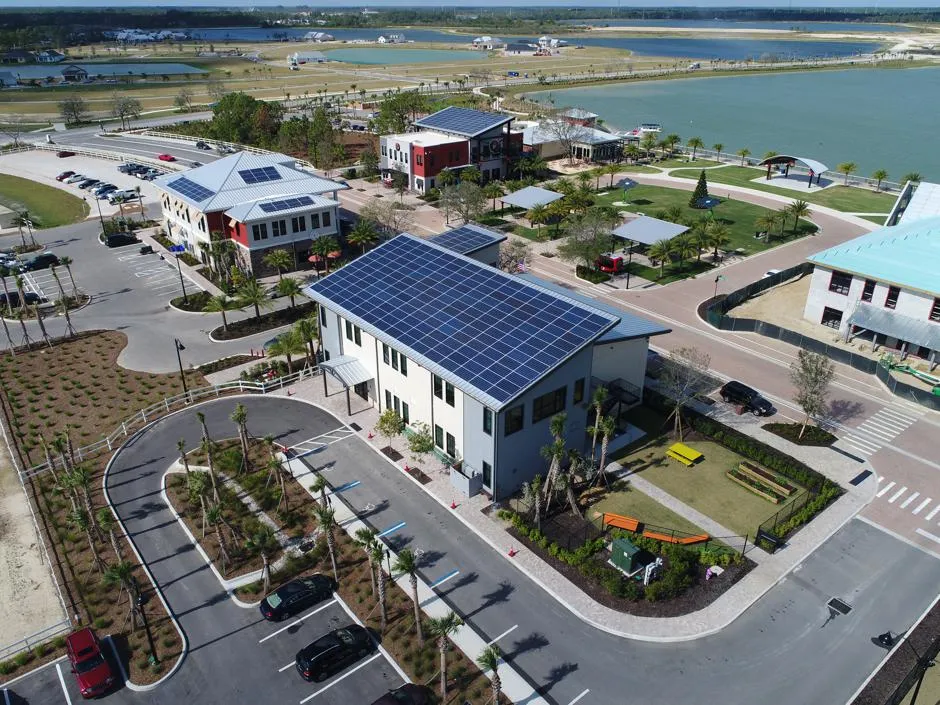
Babcock Ranch is America’s first fully solar-powered town, running on a 150-megawatt solar array and large-scale battery storage. Each home and business within the community draws energy from the same renewable grid.
The community also features EV charging networks, energy-efficient buildings, and smart city management systems. It’s a real-world model of how solar power can scale from individual homes to entire neighborhoods.
Benefits of Solar-Powered Houses
Energy Independence
One of the biggest advantages of solar-powered homes is freedom from fluctuating electricity prices. By producing their own power, homeowners reduce dependence on traditional energy providers. In regions with frequent outages, solar systems with battery storage ensure a continuous supply.
Environmental Sustainability
Solar power is a clean, renewable source that significantly reduces carbon emissions. A typical solar-powered house can offset several tons of CO₂ annually compared to a conventional home. This plays a vital role in combating climate change and promoting green urban development.
Long-Term Cost Savings
Although initial installation costs can be substantial, solar homes provide substantial long-term savings. Reduced utility bills and government incentives (such as tax credits or net metering) accelerate the payback period.
Additionally, property values for solar-powered homes have increased as sustainability becomes a key factor in homebuyer decisions.
Smart Integration and Automation
With advancements in IoT (Internet of Things) and smart home platforms, solar energy systems now integrate seamlessly with home automation. Lights, heating, and cooling can adjust automatically based on solar production levels-maximizing efficiency.
AI-based systems can also predict energy demand and weather patterns, ensuring optimal energy use and storage management.
Low Maintenance and Durability
Modern solar panels have lifespans exceeding 25 years and require minimal upkeep. Cleaning and occasional inspections are sufficient to maintain peak performance.
Batteries and inverters have also become more reliable, often backed by long warranties and smart monitoring systems that alert users to potential issues.
Use Cases: How Solar-Powered Houses Solve Real Problems
Use Case 1: Off-Grid Living in Remote Locations
For people living in areas without reliable grid access, solar-powered houses provide a sustainable solution. With battery storage, these homes can operate entirely independently, powering appliances, heating, and water systems through renewable energy.
Use Case 2: Reducing Urban Energy Costs
In cities where electricity costs are rising, integrating rooftop solar panels reduces monthly utility expenses. Smart energy management systems further optimize power usage, ensuring energy is not wasted during peak periods.
Use Case 3: Disaster-Resilient Housing
During natural disasters or grid failures, solar homes with battery backups can continue functioning. This resilience makes them ideal for regions prone to hurricanes, earthquakes, or other emergencies.
Use Case 4: Sustainable Real Estate Development
Developers incorporating solar-powered designs attract eco-conscious buyers and meet green building certifications (such as LEED or BREEAM). This not only enhances property value but also aligns with government energy policies.
Use Case 5: Smart Communities of the Future
Solar-powered housing developments, like Babcock Ranch, represent how neighborhoods can collectively harness renewable energy. By sharing storage and production, entire communities achieve stability and sustainability.
Challenges and Considerations
While solar-powered homes offer numerous benefits, they also come with challenges such as:
-
Initial Installation Cost: Although prices have decreased, the upfront investment can still be significant.
-
Weather Dependence: Solar energy production fluctuates with weather and daylight hours.
-
Battery Degradation: Over time, storage capacity declines, requiring eventual replacement.
-
Space Requirements: Roof space and orientation affect panel efficiency and feasibility.
-
Local Regulations: Permits, building codes, and utility interconnection policies vary by region.
Despite these hurdles, technological advances and supportive policies continue to make solar housing more accessible and cost-effective.
Frequently Asked Questions
Q1. How long does it take for a solar-powered house to pay for itself?
Typically, solar systems achieve payback within 6–10 years, depending on energy costs, sunlight availability, and government incentives.
Q2. Can a solar-powered home run entirely off-grid?
Yes. With sufficient solar capacity and battery storage, a home can operate independently from the grid, powering all essential systems.
Q3. Are solar-powered houses suitable for cold or cloudy regions?
Absolutely. While output decreases in low-sunlight conditions, modern panels and energy storage systems can still generate adequate power year-round.