Smart Home Automation Systems The Future of Intelligent Living Explained
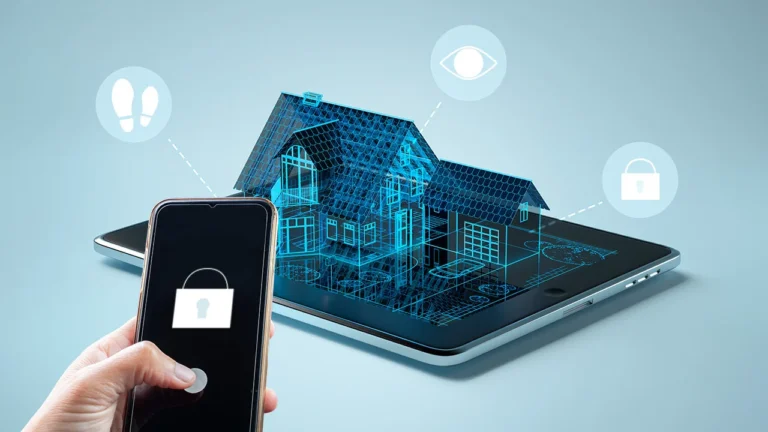
Smart home automation systems have evolved from luxury conveniences into essential components of modern living. These technologies integrate devices, sensors, and software platforms to create connected homes that offer energy efficiency, security, and convenience. Whether it’s controlling lighting, adjusting the thermostat, or monitoring your property remotely, automation has made home management seamless and intelligent.
Understanding Smart Home Automation Systems
What Is a Smart Home Automation System?
A smart home automation system is an integrated network of devices and sensors that communicate with each other through a central platform or hub. These systems use technologies such as Wi-Fi, Zigbee, Z-Wave, and AI-driven software to automate everyday household tasks. Homeowners can control various aspects of their environment-lighting, temperature, security, and entertainment-using smartphones, voice assistants, or smart displays.
Automation extends beyond simple remote control. Advanced systems use data analytics and artificial intelligence to learn user preferences, optimize energy usage, and anticipate needs. This capability marks a significant shift toward homes that “think” and respond to your lifestyle.
Core Components of Smart Home Systems
Every smart home ecosystem typically includes:
-
Central Hub or App: The command center that connects all devices.
-
Smart Devices: Lights, locks, cameras, thermostats, and appliances that can communicate with one another.
-
Voice Assistants: Tools like Alexa, Google Assistant, or Siri that provide hands-free control.
-
Sensors and Automation Rules: Detect movement, temperature changes, or other triggers to automate tasks.
How Smart Home Automation Technology Works
Connectivity and Interoperability
Smart home systems rely heavily on connectivity. The key to successful automation lies in the interoperability of devices across different manufacturers. Protocols like Zigbee, Z-Wave, and Matter ensure devices can communicate seamlessly without compatibility issues.
With the rise of cloud-based AI integration, smart home devices can now analyze patterns over time-such as your sleep cycles or energy usage, and adjust settings automatically to improve comfort and efficiency.
Role of Artificial Intelligence and Machine Learning
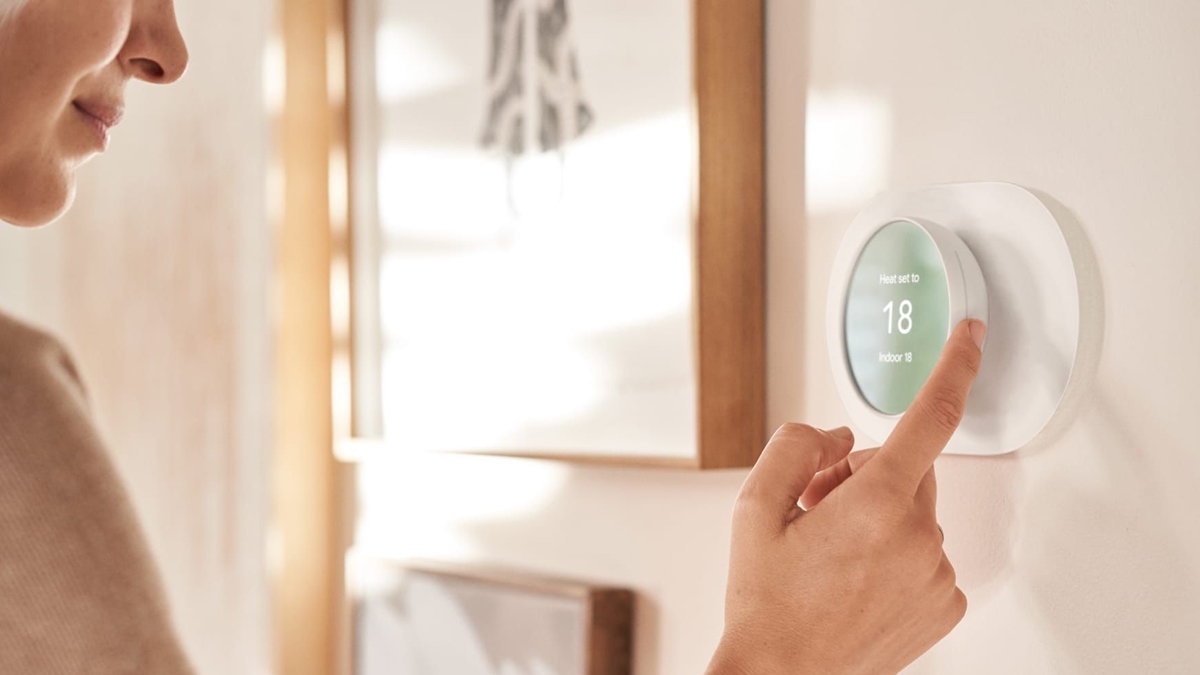
AI enhances automation by learning from user behaviors. For instance, a smart thermostat like Google Nest studies your daily routine and adjusts the temperature accordingly. Machine learning algorithms analyze data from motion sensors and lighting usage to predict your preferences, creating a truly personalized experience.
Real-World Examples of Smart Home Automation Systems
1. Amazon Alexa Smart Home Ecosystem
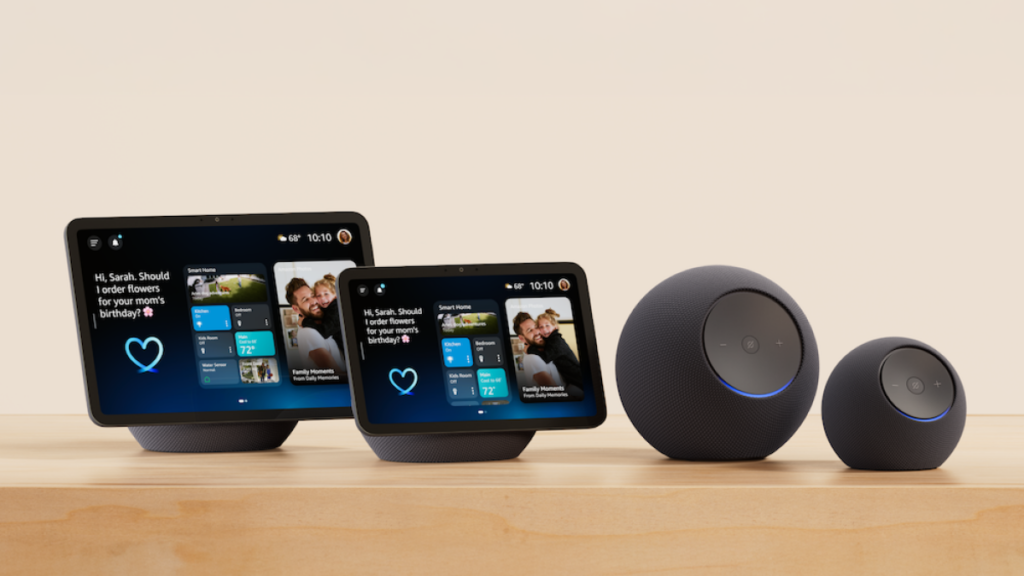
The Amazon Alexa ecosystem offers one of the most comprehensive smart home platforms. Users can connect thousands of devices-from lights and thermostats to security cameras-and control them with simple voice commands. Its wide compatibility and user-friendly app make it ideal for beginners and experienced smart homeowners alike.
Alexa’s Routines feature allows for complex automation sequences. For example, saying “Alexa, good night” can trigger actions like locking doors, dimming lights, and adjusting the thermostat simultaneously.
2. Google Home and Nest Integration
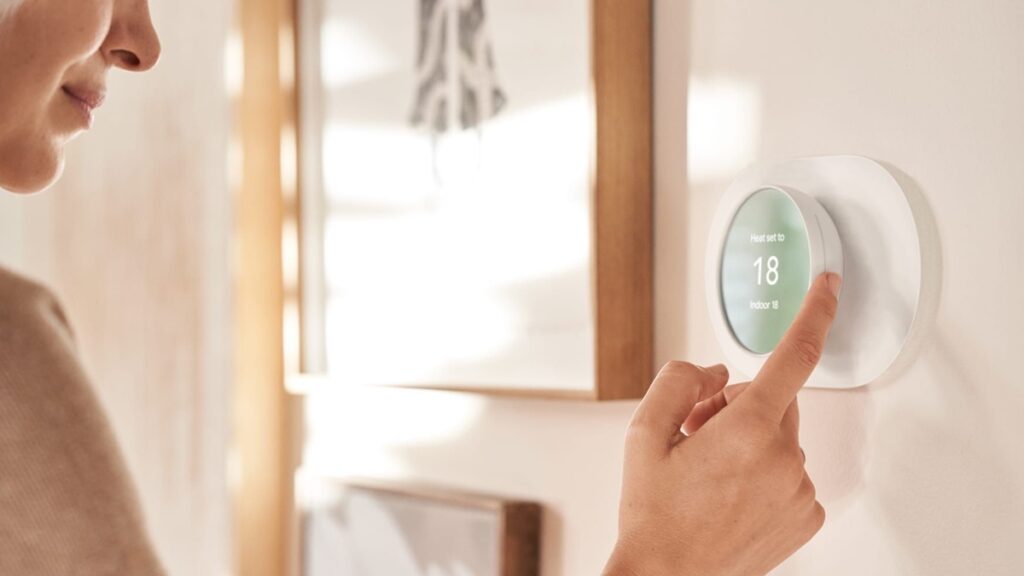
Google Home and Nest devices are designed to create an intelligent, energy-efficient environment. Google’s ecosystem emphasizes data-driven automation-using its AI to learn user habits. For example, Nest Thermostat optimizes heating and cooling schedules to reduce energy waste.
Its integration with other Google services (like Calendar and Maps) allows context-aware actions. If you leave work early, your thermostat can automatically adjust your home temperature before your arrival.
3. Apple HomeKit
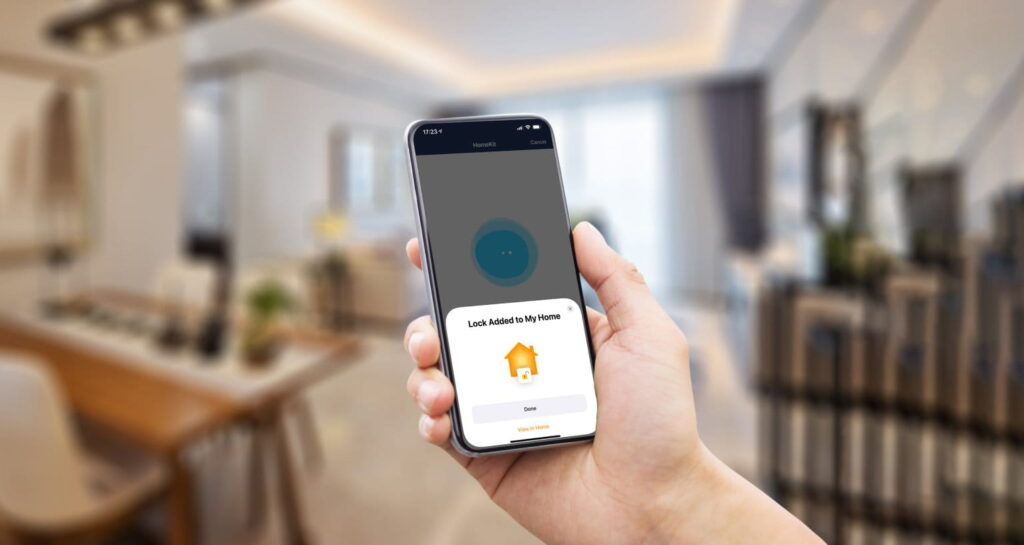
Apple HomeKit provides a privacy-focused automation platform. All devices are controlled through the Apple Home app, which connects seamlessly across iPhone, iPad, and Apple Watch. HomeKit automations work locally on devices, ensuring faster responses and enhanced privacy compared to cloud-dependent systems.
Users can set up automations such as turning off lights when leaving home or activating security cameras upon detecting motion. Apple’s emphasis on encryption and data protection appeals to privacy-conscious homeowners.
4. Samsung SmartThings

Samsung SmartThings offers one of the most versatile automation platforms. It supports a wide range of devices from different manufacturers, making it ideal for multi-brand setups. The SmartThings hub connects security, lighting, appliances, and energy monitoring in a unified system.
Users can customize automation flows based on triggers, such as turning on air conditioning when indoor temperatures exceed a certain threshold. The platform’s AI-driven Energy Control feature provides real-time energy analytics to help reduce utility costs.
Benefits of Smart Home Automation Systems
Convenience and Comfort
Smart home automation brings unprecedented convenience. With centralized control, homeowners can manage lighting, temperature, and security through mobile apps or voice commands. Automation eliminates repetitive tasks, allowing you to focus on what truly matters—comfort and productivity.
For example, smart lights can adjust brightness based on natural light levels, while smart curtains automatically close in the evening for privacy. This seamless integration of daily routines enhances both comfort and efficiency.
Energy Efficiency and Sustainability
Smart homes contribute significantly to sustainability. Automated thermostats, lighting systems, and appliances help reduce unnecessary power consumption. Energy monitoring tools also allow homeowners to track and optimize usage patterns, leading to long-term savings.
In a world where energy costs continue to rise, adopting automation technologies supports both financial and environmental goals.
Enhanced Security and Safety
Modern smart home systems provide 24/7 surveillance through connected cameras, motion sensors, and smart locks. Real-time alerts notify homeowners of unusual activity, even when they’re away. Integration with AI-powered systems can distinguish between false alarms and genuine threats, enhancing reliability.
Safety features such as smart smoke detectors and leak sensors further prevent property damage and ensure peace of mind.
Real-World Use Cases of Smart Home Automation
1. Vacation Home Management
Automation allows remote management of vacation properties. Owners can monitor cameras, adjust lighting, and control HVAC systems through mobile apps, ensuring safety and energy efficiency when homes are unoccupied.
2. Elderly Care
Smart sensors and wearable integrations can assist in elderly care by monitoring movement, medication schedules, and emergencies. Automated alerts inform caregivers of unusual activity patterns.
3. Energy Optimization in Large Homes
In larger properties, managing multiple devices manually can be overwhelming. Automation simplifies control through centralized dashboards that optimize energy use across different zones.
The Future of Smart Home Automation
As AI and IoT technologies advance, smart homes will become even more intuitive. Integration with renewable energy systems, predictive maintenance, and autonomous household management are expected trends. Voice and gesture control will evolve further, reducing dependence on physical devices entirely.
The introduction of Matter, a universal connectivity standard, promises smoother interoperability across brands-marking a significant leap toward fully unified smart living environments.
Frequently Asked Questions
Q1. What is the main purpose of a smart home automation system?
A smart home automation system aims to simplify and enhance daily living by integrating devices that can communicate, automate, and optimize home operations through intelligent control.
Q2. Can smart home systems save energy?
Yes. Smart thermostats, lighting, and energy monitoring tools help identify waste and automatically adjust power usage, significantly reducing monthly bills and environmental impact.
Q3. Are smart home automation systems secure?
Most reputable systems use encryption and secure cloud protocols. However, homeowners should regularly update devices, use strong passwords, and enable two-factor authentication to enhance protection.