Comprehensive Guide to New Construction Homes Benefits, Technology, and Real-World Examples
New construction homes-brand‑new, never‑lived homes built to modern standards-represent a rapidly evolving segment in residential real estate. With advances in building technology, higher energy standards, and shifting buyer expectations, new construction offers a compelling alternative to existing property purchases. In this in‑depth guide, we will explore what exactly “new construction homes” mean, the benefits and challenges, how emerging technologies are integrated, real-world examples, and what kinds of problems new builds can solve in practice.
What Defines a New Construction Home
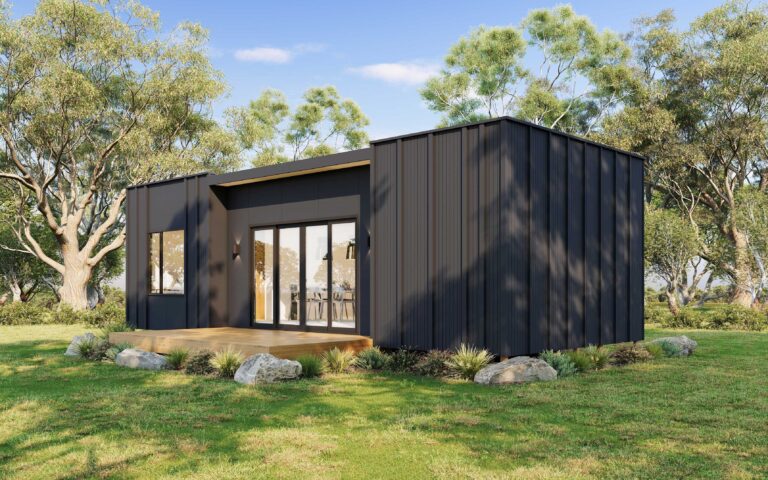
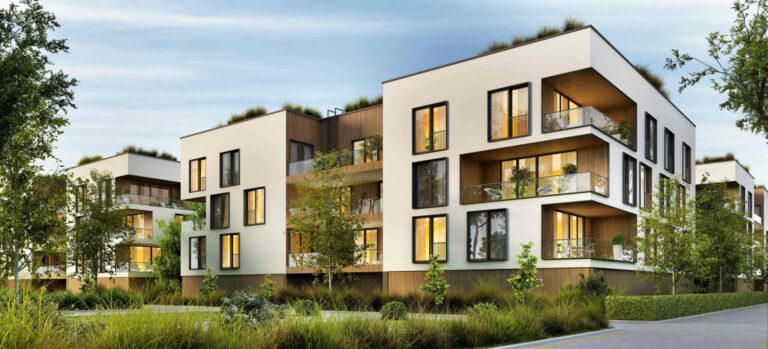
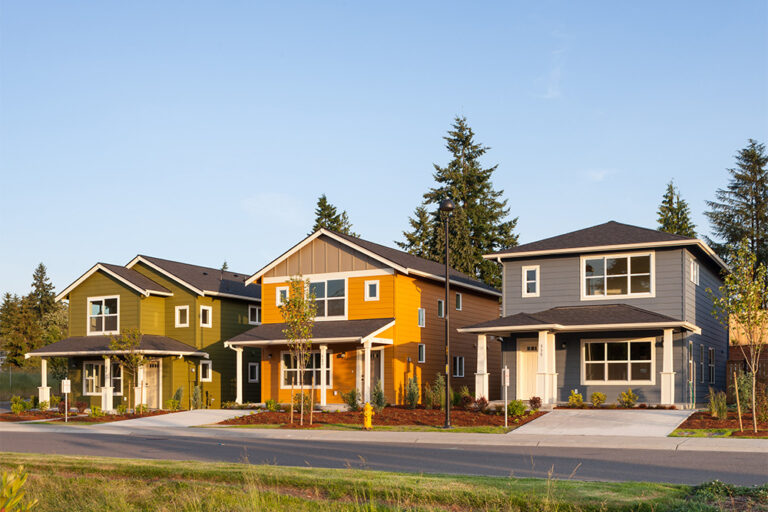
A “new construction home” refers to a property that is built from scratch by a builder or developer and has not had a previous owner (or occupancy) before. These are typically sold direct from the builder or through new development communities. Key attributes that distinguish new constructions include:
-
Modern building codes and materials. Because these homes are built recently, they must comply with the latest code requirements (electrical, structural, fire, insulation) rather than being grandfathered under older codes in many jurisdictions.
-
Warranty and freshness. All systems-HVAC, plumbing, electrical, roof, structure-are new and usually backed by builder warranties for a specified time period.
-
Customization opportunity. Buyers often have the chance to choose finishes, layouts, colors, and even structural options before or during build time.
-
Higher upfront cost and time considerations. Because the home does not yet exist, buyers may need to wait for completion and face variables like construction delays, selection deadlines, and change orders.
Understanding these characteristics helps prospective homeowners and developers make informed decisions about whether new construction is the right path.
Key Benefits of New Construction Homes
Energy Efficiency and Lower Utility Costs
One of the top advantages of new construction homes is their energy performance. Modern building envelopes (insulation, high-performance windows, sealing), efficient HVAC units, and technological integration can reduce energy consumption significantly compared to older homes. In fact, homes built since 2010 have been shown to use around 28% less energy than older homes in some studies.
Because all systems are new and designed as an integrated whole, inefficiencies and legacy problems (old wiring, leaky ductwork, worn insulation) are avoided. Over time, that translates into lower monthly utility bills and a smaller carbon footprint.
Lower Maintenance, Reduced Repair Risks
Because everything is brand-new, early maintenance burdens are generally much lower. Roofs, HVAC, plumbing, and structural components haven’t aged or undergone wear-and-tear. That means in the first years of ownership, costly repairs are less likely. New construction homes also frequently come with builder warranties that cover defects in workmanship or materials, giving peace of mind.
Customization & Modern Design
When you buy a new construction home, you often have influence over layouts, finishes, fixtures, cabinetry, flooring, and more. This means your space can better match your taste and functional needs from day one. Rather than retrofitting an older property, you are getting what you want already built in.
Compliance, Safety, and Code Standards
New homes are subject to the most up-to-date building, fire, electrical, and accessibility codes. This means safer wiring systems, improved fire prevention measures, structural resilience (e.g. wind, seismic where required), and often modern safety systems built-in.
Technology Integration & Future-Proofing
Modern buyers increasingly expect homes to be smart, connected, and adaptable. New construction gives builders and owners a clean slate to embed wiring, conduit, intelligent systems, and infrastructure that older homes struggle to retrofit.
How Technology Elevates New Construction Homes
Integrating cutting-edge technology into new builds transforms them from static dwellings into responsive, efficient, and connected living environments. Below are several major technological domains pushing the future of new construction:
Smart Home Systems and Internet of Things (IoT)
From smart thermostats and lighting to security systems and sensors, new homes increasingly incorporate IoT devices at the construction stage. Builders may pre‑wire conduit, place smart hubs, embed sensors for occupancy and environmental monitoring, and design centralized control architectures.
These systems allow homeowners to monitor energy use, automate lighting and HVAC schedules, detect leaks or faults, and control devices remotely. The integration is cleaner and more reliable when installed during construction rather than retrofitted later.
Energy Storage, Solar, and Renewable Integration
New homes are being built with solar-ready roofs, battery storage systems, and smart inverters that can manage power flows, usage, and even send surplus energy back to the grid.
This allows homeowners to shift consumption to periods when generation is higher (e.g. midday), reduce grid dependency, and optimize self‑consumption. Over time, the financial and environmental benefits become compelling.
Prefabrication, Modular & 3D Printing
Rather than building entirely on-site, entire modules or components can be manufactured off-site under controlled conditions and delivered for assembly. This accelerates the timeline, improves quality control, and reduces waste.
3D printing of building elements or even full walls is gaining traction, promising faster builds, complex shapes, and novel material usage.
Digital Design, BIM & Automation
Building Information Modeling (BIM) tools allow architects and engineers to design, simulate, and optimize performance (energy, structural, and mechanical) before construction. Automation (robotic equipment, machine control) reduces human error, speeds tasks, and improves precision.
In summary, technology isn’t just an add-on in modern new construction — it’s increasingly foundational.
Real-World Examples of Technology-Infused New Construction
Below are real-world product or system examples (or representative devices) that illustrate how technology is becoming integral to new homes.
1. Ezviz H1C Smart Home Wi-Fi Camera

This smart security camera integrates seamlessly into a home’s network and provides real-time video, motion detection alerts, and cloud storage. In a new construction home, such units can be pre-wired into the electrical and network infrastructure, making deployment cleaner and more robust than after-the-fact installation. Homeowners benefit from immediate access to live video footage and security monitoring.
2. Smart Home 5‑Inch Touchscreen Control In‑Wall Panel
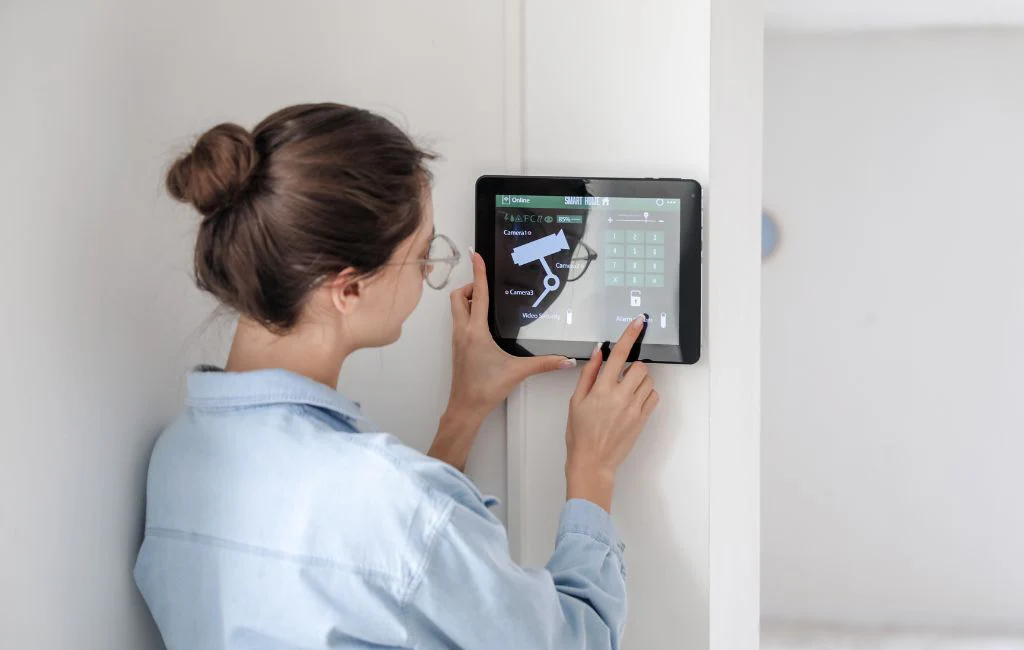
A wall-mounted touchscreen control hub built into the wall becomes the local central interface for smart home functionality. In new builds, allocating a dedicated space for this panel (behind finishing wall surface) allows neat wiring, avoids visible cables, and serves as a tactile control point for lighting, HVAC, security, and more.
3. KeyeStudio Smart Home Eco‑Friendly House Starter Kit
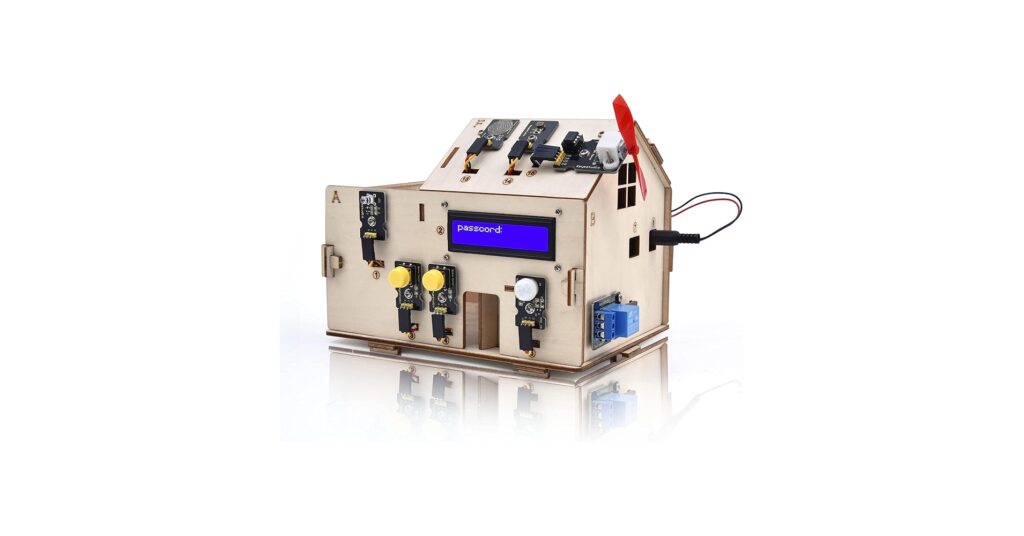
This is a starter kit of smart sensors (temperature, humidity, light, motion) and controllers that helps homeowners begin building a responsive environment. In a new home, such kits can be complemented by embedded infrastructure for expansion, and the fact that sensors come online from day one is advantageous in early occupancy.
4. Shelly 1 Gen3 Smart Home Module
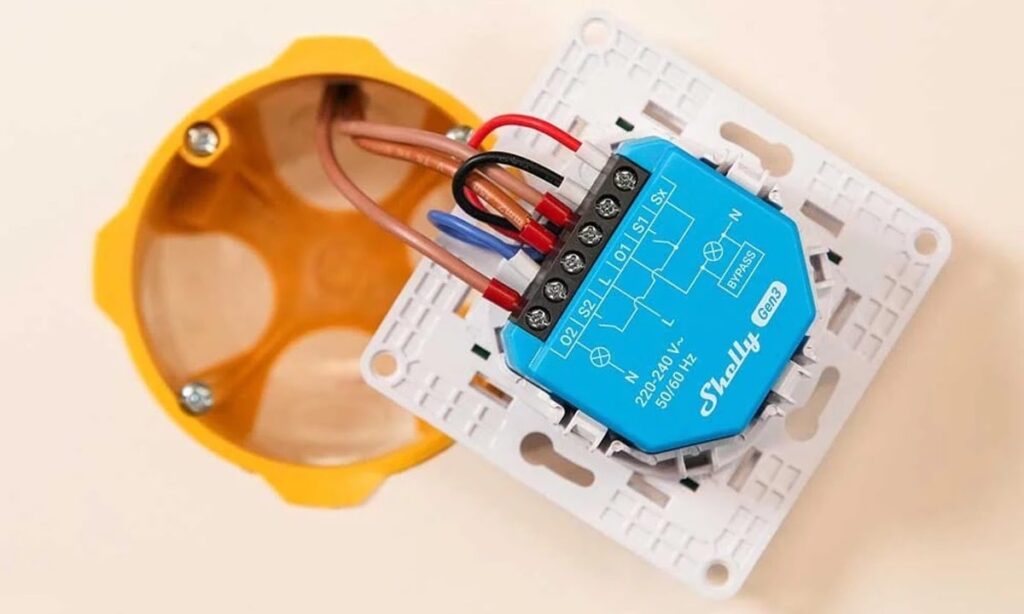
This compact smart relay module can retrofit conventional switches or circuits to be remotely controlled or automated. In a new construction context, builders can plan circuits around such modules ahead of time, enabling hybrid switching, power monitoring, or integration with larger systems.
5. SONOFF Smart Wall Switch EU (M5)
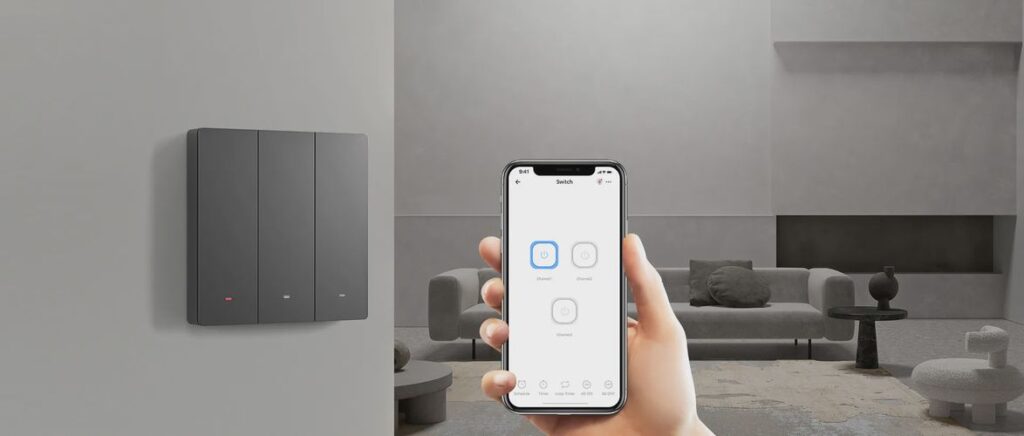
A modern smart switch that can control lighting or power circuits, compatible with protocols like Matter, which allows interoperability among devices. In new construction homes, embedding smart wall switches ensures that lighting and device control is part of the architecture rather than an afterthought.
Each of these examples shows how hardware components, when integrated early, contribute to a smarter, more efficient, and future-ready home. They illustrate the leap from traditional wiring to connected environments.
Use Cases & Problems Solved by New Construction Homes
Case: Urban Infill with Energy Constraints
In a dense city environment where land is limited and energy costs are high, new construction homes built to zero-energy or passive standards can dramatically reduce utility burdens. By combining high insulation, solar arrays, battery storage, and smart load shifting, homeowners can practically decouple from grid peak pricing and reduce carbon emissions.
Case: Aging Infrastructure & Retrofitting Challenges
In regions with many aging homes (plumbing, wiring, structural decay), retrofitting to modern standards is costly, time-consuming, and disruptive. New construction offers a clean slate — no hidden surprises, full compliance with modern codes, and integrated systems from the ground up.
Case: Tech-Savvy Buyers Seeking Intelligent Living
Buyers who value automation, monitoring, and seamless digital integration often struggle when retrofitting legacy homes. New construction allows full embedding of networks, conduit, power zones, sensor placement, and control hubs. The result: a cohesive smart home that works reliably rather than being pieced together.
Case: Climate Resilience & Sustainability Goals
In regions prone to extreme climatic events (heat, storms, humidity), new construction homes can be engineered for resilience: elevated foundations, robust structural framing, better drainage, moisture control, advanced envelope sealing, and monitored systems. These homes can adapt to future climate conditions and sustain occupant comfort without constant upgrades.
Practical Benefits: What Homeowners Will Experience
-
Lower bills & predictable energy usage. With smart control and efficient systems, owners see measurable drops in monthly bills.
-
Peace of mind from warranties. Early defects or system failures are often covered under builder warranties, reducing out-of-pocket surprises.
-
Cleaner aesthetics & less retrofit mess. Because smart infrastructure is built-in, you avoid chasing wires, patching walls, or retrofitting conduits.
-
Higher resale appeal and value. Modern features, energy efficiency, and aesthetic finishes make new homes more attractive to future buyers.
-
Better indoor environmental quality. New materials, ventilation, filtration, and sensors help regulate air quality, humidity, and comfort more precisely than in older homes.
Challenges & Considerations
While new construction homes have many benefits, there are also trade-offs and risks to be aware of:
-
Delays and uncertainty. Construction projects may face delays due to weather, labor shortages, supply chain disruptions, or permitting issues.
-
Change order risks. Alterations during build time can escalate costs or compromise timelines.
-
Selection deadlines. Builders often set firm deadlines for finish choices, and missing them may reduce flexibility.
-
Initial premium. New builds tend to command price premiums. Buyers must weigh whether those premiums are justified by long-term savings.
-
Technology obsolescence. Smart systems evolve. Builders and homeowners must ensure infrastructure (wiring, protocol compatibility, upgrade paths) remains compatible with future advances.
Best Practices for Planning & Specifying New Construction
-
Start technology planning early. Engage smart-home/design consultants at the design or architectural phase, not after framing is complete.
-
Allocate conduit and zones. Plan for wiring pathways, junction boxes, sensor mounting zones, and service closets or hubs.
-
Design for flexibility. Use modular systems or wiring infrastructure that can be reconfigured as tech evolves.
-
Specify interoperability. Favor open protocols (Matter, Zigbee, Thread) or systems that can interconnect rather than closed, proprietary ones.
-
Simulate energy performance. Use modeling tools to simulate heating, cooling, lighting, and energy loads, to optimize systems before construction begins (via BIM or energy modeling).
-
Quality control & commissioning. Test, calibrate, and commission systems (HVAC, sensors, plumbing) before occupancy to catch defects early.
Summary & Outlook
New construction homes, especially those integrated with smart technology, energy systems, and modern design, represent the future of residential living. They offer numerous advantages in efficiency, maintenance, safety, and adaptability. While there are risks and challenges, careful planning, technology foresight, and disciplined execution can deliver homes that outperform older properties in value, sustainability, and occupant experience.
As building techniques like prefabrication and 3D printing mature, and smart-home ecosystems become more standardized, the gap between custom tech homes and mainstream new builds will shrink further. For those planning a home, investing in thoughtful infrastructure now can pay dividends for decades.
Frequently Asked Questions (FAQ)
Q1: Are new construction homes always more expensive than existing homes?
Not necessarily. While new builds often command a premium due to customization, finishes, and modern systems, the total cost should be considered in terms of long‑term savings (energy, maintenance, repairs). In some markets, the price per square foot may be competitive, especially if the fixed costs of retrofitting old systems in existing homes are high.
Q2: Can I customize a new construction home after it is built?
Customization is easier before or during construction rather than after. Builders usually allow choices of finishes, interior layouts, and upgrades during certain phases. Once the home is fully built and occupied, major structural or system changes become more expensive and disruptive.
Q3: Will all the technology in a new smart home become obsolete quickly?
Technology evolves, but good design mitigates obsolescence. By planning for interoperable protocols, modular systems, upgrade pathways, and flexible wiring infrastructure, homeowners can swap or upgrade elements over time. The backbone (wiring, conduit, control hubs) should remain serviceable even as devices change.