Green Real Estate Investment 2025 Navigating Sustainable Opportunities for Profit and Impact
As the world pivots towards sustainability, the real estate sector is undergoing a significant transformation. Green real estate investment in 2025 has emerged as a lucrative and responsible avenue for investors seeking to align financial returns with environmental stewardship. This comprehensive guide delves into the key trends, technologies, benefits, and real-world applications of green real estate investment, providing valuable insights for both seasoned investors and newcomers to the field.
Understanding Green Real Estate Investment
Green real estate investment involves the acquisition, development, or renovation of properties that adhere to environmentally sustainable practices. These practices encompass energy efficiency, water conservation, the use of sustainable materials, and the integration of renewable energy sources. Investors in this sector aim to achieve competitive financial returns while contributing positively to environmental conservation and community well-being.
Core Components of Green Real Estate
-
Energy Efficiency: Implementing technologies and designs that reduce energy consumption, such as high-performance insulation, energy-efficient HVAC systems, and LED lighting.
-
Water Conservation: Utilizing low-flow fixtures, rainwater harvesting systems, and drought-resistant landscaping to minimize water usage.
-
Sustainable Materials: Employing recycled, locally sourced, and non-toxic building materials to reduce environmental impact.
-
Renewable Energy Integration: Incorporating solar panels, wind turbines, or geothermal systems to generate clean energy on-site.
-
Indoor Environmental Quality: Ensuring good air quality and natural lighting to enhance occupant health and productivity.
Emerging Trends in Green Real Estate Investment
The landscape of green real estate investment is continually evolving. In 2025, several key trends are shaping the industry:
Net-Zero Energy Buildings
Net-zero energy buildings (NZEBs) are structures that produce as much energy as they consume over a year. Advancements in solar technology, energy storage, and building design have made NZEBs more feasible and attractive to investors seeking long-term sustainability and cost savings.
ESG Integration
Environmental, Social, and Governance (ESG) criteria are becoming integral to investment decisions. Properties with strong ESG performance are not only more sustainable but also tend to attract higher-quality tenants and command premium rents. Investors are increasingly using ESG metrics to assess risk and opportunity in their portfolios.
Smart Building Technologies
The integration of Internet of Things (IoT) devices and smart systems allows for real-time monitoring and optimization of building performance. Smart thermostats, lighting controls, and energy management systems contribute to reduced operational costs and improved tenant satisfaction.
Benefits of Green Real Estate Investment
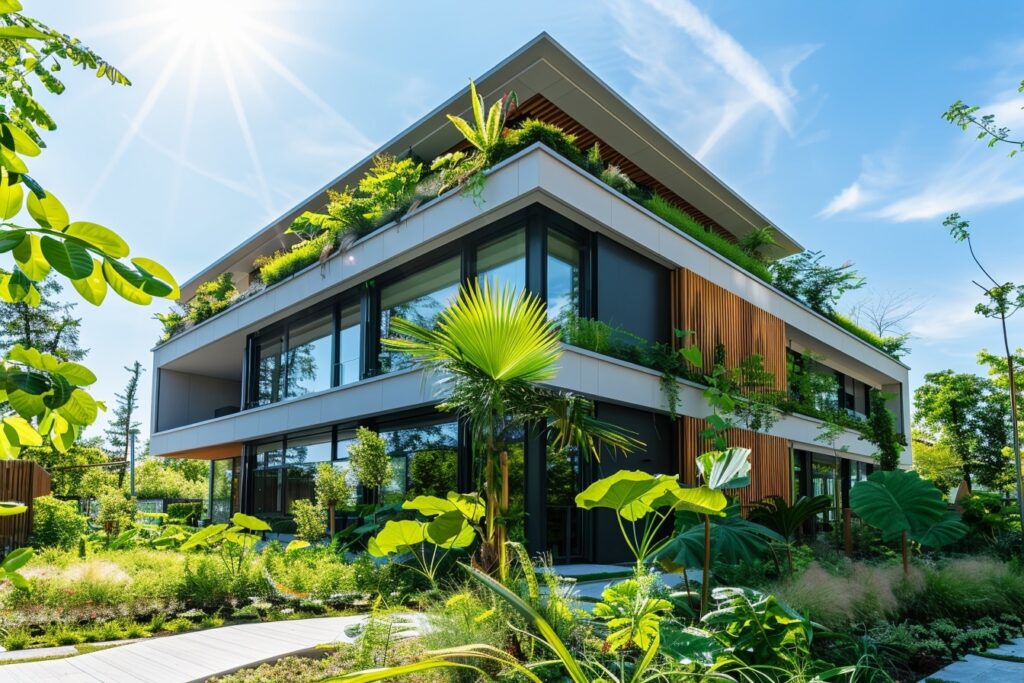
Investing in green real estate offers numerous advantages:
Financial Returns
Sustainable properties often experience lower operating costs due to energy and water savings. Additionally, they can achieve higher occupancy rates and rental premiums, leading to enhanced cash flow and asset value. For instance, LEED-certified buildings can command rents up to 20% higher than conventional properties.
Green buildings are more resilient to regulatory changes and environmental risks. As governments implement stricter environmental regulations, properties that already meet these standards are less likely to incur compliance costs or penalties.
Market Demand
There is a growing demand for sustainable living and working spaces. Tenants are increasingly prioritizing environmental considerations, leading to higher demand for green-certified properties.
Real-World Examples of Green Real Estate Investments
To illustrate the practical application of green real estate investment, consider the following examples:
1. Nandi Hills Green Township, India
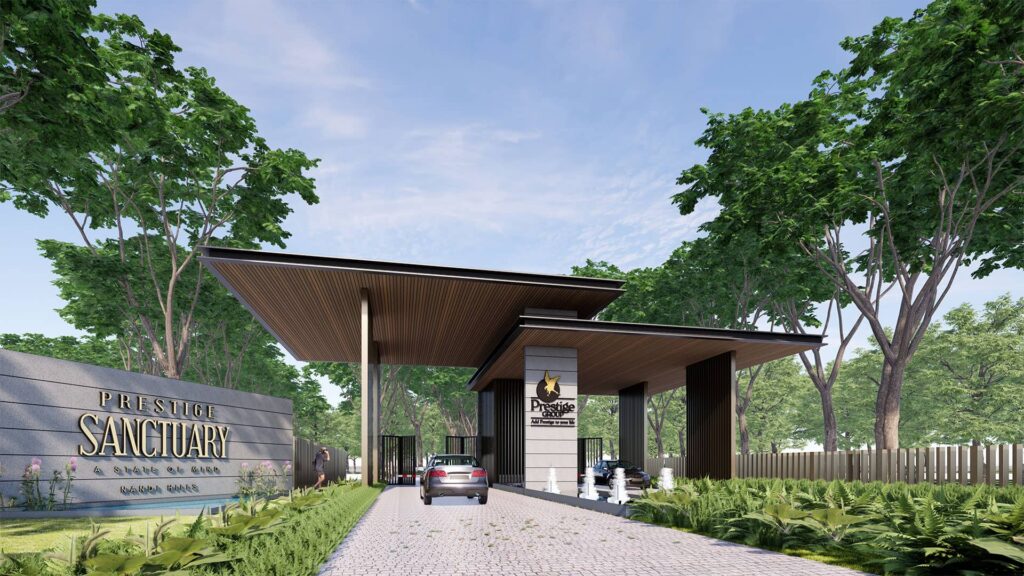
An emerging green real estate project near Nandi Hills, India, is attracting significant investment due to its commitment to sustainability. The development features energy-efficient homes, rainwater harvesting systems, and extensive green spaces. Investors are drawn to the project’s potential for high returns and positive environmental impact.
2. Green Office Buildings in Hyderabad, India
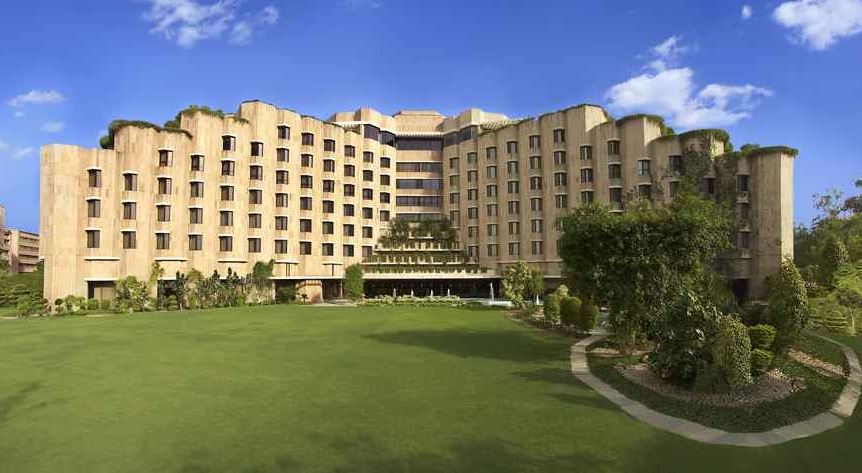
Hyderabad’s office real estate sector is experiencing a surge in investments, with a focus on sustainable developments. The Telangana government has committed over ₹25,000 crore to infrastructure improvements, including the construction of green office buildings. These developments aim to meet international sustainability standards and attract global tenants.
3. Sustainable Mixed-Use Developments in Singapore
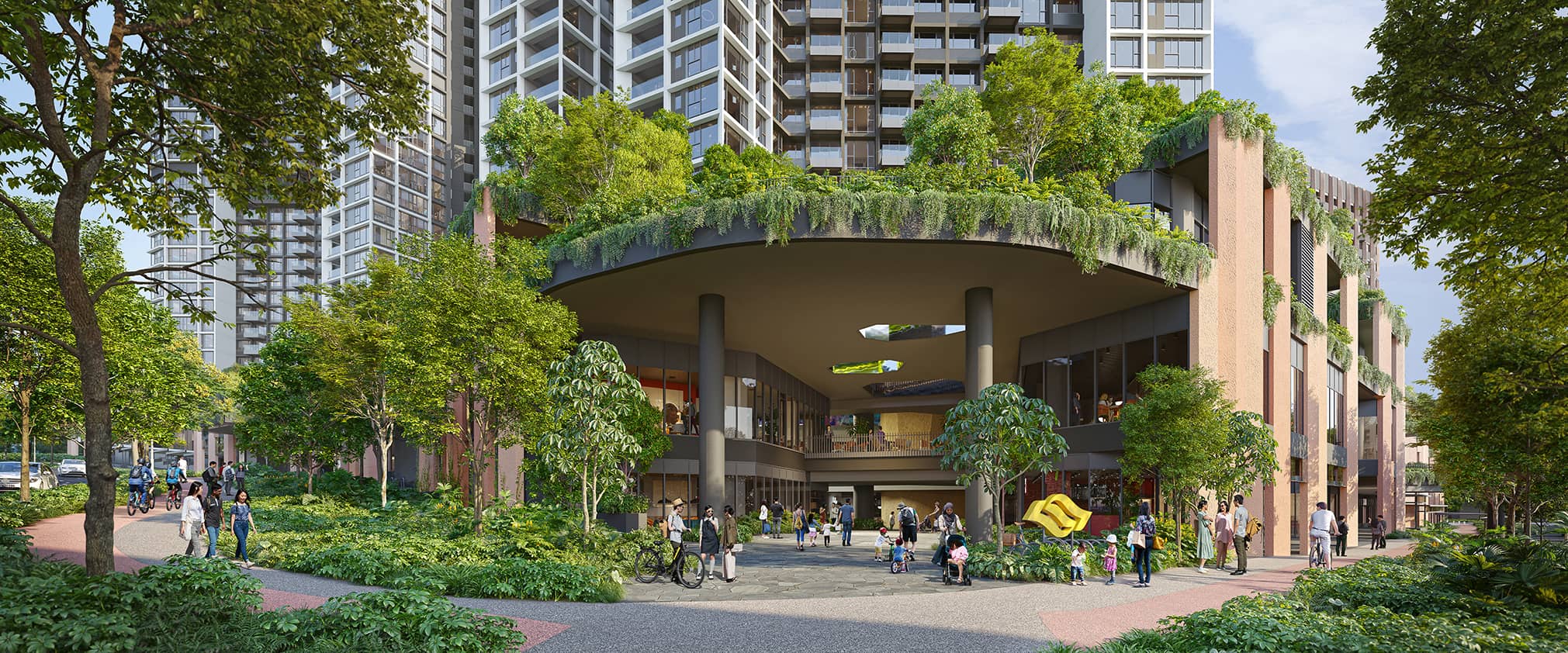
Singapore is leading in sustainable urban development, with several mixed-use projects incorporating green building practices. These developments feature energy-efficient designs, green roofs, and smart building technologies. Investors are capitalizing on the city’s commitment to sustainability and its status as a regional business hub.
Practical Applications and Use Cases
Green real estate investment addresses several challenges:
Urban Heat Island Effect
Urban areas often experience higher temperatures due to dense construction and limited green spaces. Green buildings with reflective materials and green roofs help mitigate this effect by reducing heat absorption and promoting cooling.
Energy Inefficiency in Older Buildings
Many older buildings are energy-inefficient, leading to high operational costs. Investing in retrofitting these buildings with energy-efficient technologies can significantly reduce energy consumption and costs.
Water Scarcity
Water conservation is critical in many regions facing water scarcity. Green buildings incorporate water-saving fixtures and systems to minimize water usage and contribute to resource conservation.
Frequently Asked Questions
Q1. What is green real estate investment?
Green real estate investment involves investing in properties that are designed, constructed, or renovated to meet environmental sustainability standards. These properties typically feature energy-efficient systems, sustainable materials, and renewable energy sources.
Q2. How can I assess the sustainability of a property?
Sustainability can be assessed using certifications such as LEED (Leadership in Energy and Environmental Design), BREEAM (Building Research Establishment Environmental Assessment Method), or local green building standards. These certifications evaluate various aspects, including energy performance, water usage, and indoor environmental quality.
Q3. Are there financial incentives for green real estate investment?
Yes, many governments offer financial incentives for green real estate investment, including tax credits, grants, and favorable loan terms. These incentives aim to encourage sustainable development and can enhance the financial viability of green projects.